



Key summary about engine sludge and how to remove it
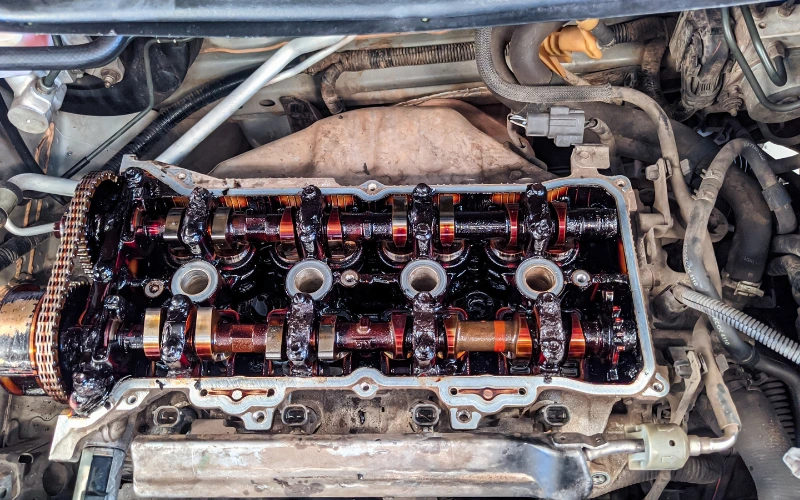
- Engine sludge forms when oil breaks down and mixes with contaminants, creating a thick deposit that can restrict oil flow and damage engine components.
- Common causes of sludge build-up include poor maintenance, low-quality oil, stop-start driving and ignoring recommended service intervals.
- Regular oil changes with high-quality engine oil can help prevent sludge formation and reduce the risk of costly engine repairs.

Ticking engine noises can indicate sludge restricting oil flow.

Engine sludge can reduce fuel efficiency.

Incorrect engine flush products may damage seals and gaskets.
Engine oil keeps the various components of your engine well lubricated so your engine can run smoothly. However, over time, the engine oil can become contaminated with degraded oil residue and particles from combustion gases, causing a thick sludge that can stick to the moving parts of your engine.
In this article, we’ll explain what engine sludge is, what causes it and how to get rid of it.
What is engine sludge, and why is it a problem?
Engine oil sludge is a thick, slimy, tar-like substance that forms when engine oil breaks down and clings to engine components. When engine oil oxidises, it becomes less effective, and the once-protective liquid turns into thick, slimy sludge that suggests your engine is under stress.

What problems can engine sludge cause?
Engine oil sludge can be highly corrosive to your engine, and rather than lubricating it, it can be abrasive against metal parts. Not only that, but it is extremely thick and slimy, so it can clog oil passages and block the flow to different engine parts. This can lead to a variety of problems, including:
- Impacting gasket function
- Engine failure
- Increased oil consumption
- Higher fuel consumption
- Oil pressure problems
Left untreated, these issues can escalate quickly and result in costly engine repairs or total failure.
Common signs of engine oil sludge to look out for
Unfortunately, engine oil sludge symptoms don’t always present until there has been a significant build-up of sludge. However, there are some warning signs you can look out for before the sludge leads to engine failure.
1. Ticking or clicking noise from the tappet
It’s normal to hear a ticking noise when your engine is running. But if you start to hear a tick or click from the upper part of your engine, it’s likely that the oil pump isn’t supplying enough oil to lubricate the tappets.
2. Low oil pressure or warning light
When the flow of oil is restricted, it can cause low oil pressure in your engine. You will probably see a warning light on your dashboard alerting you to any pressure drops. This is your sign to get your vehicle to a garage ASAP.
3. Misfires
Although not a direct impact of engine sludge, misfiring could indicate you’ve got an issue. Misfires are caused by worn spark plugs; however, a build-up of sludge can coat the outer casing of the spark plug and cause the engine to misfire.
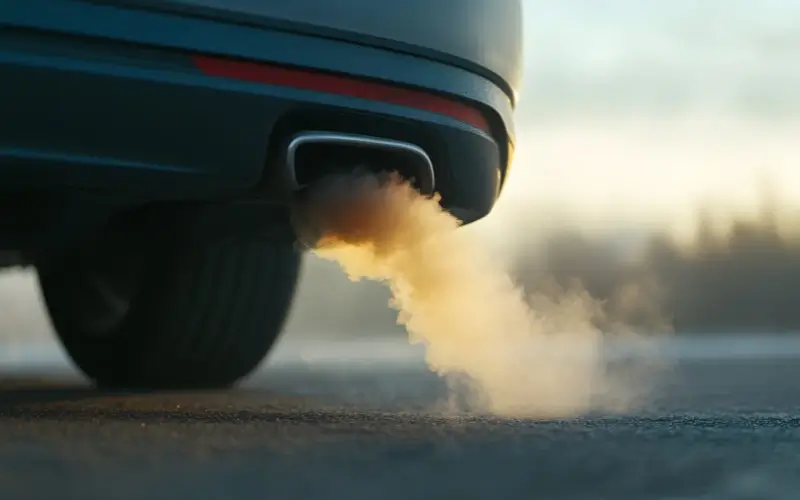
4. Exhaust smoke
Oil sludge itself doesn’t cause exhaust smoke, but it causes a number of issues which can lead to exhaust smoke. These include worn piston rings or valve stem seals, blocked oil passages and oil starvation.
How to remove sludge from your engine
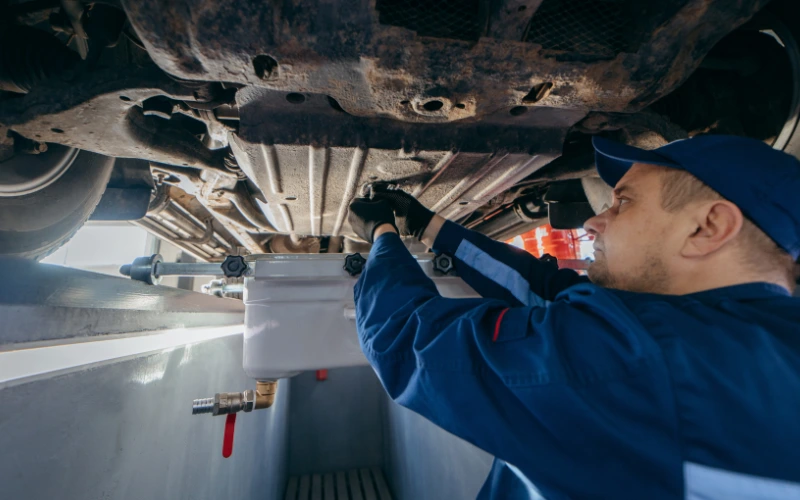
Removing engine sludge should be done by a qualified mechanic, as it involves draining the oil system and cleaning internal engine components safely and thoroughly. This typically involves completely draining the oil system by inserting a catch or drain pan beneath your vehicle’s front suspension.
You’ll also need to ensure any residual oil has been removed from the intake manifold gaskets and crankcase ventilation system. Once the system has been completely emptied, you’ll need to add fresh oil and reattach any engine components you removed.
Frequently asked quetions
Adding engine flush to your engine oil can help to loosen deposits and dissolve sludge. However, engine flush can do more harm than good if:
- You don't use the right engine flush with the correct concentration for your vehicle.
- You don't follow the instructions carefully.
This is because engine flushes can contain harsh chemicals that may damage rubber seals and gaskets, especially if you have an older vehicle. If you’re unsure, speak to a trusted mechanic before using an engine flush, as it may uncover other issues or lead to leaks.
Engine sludge can cause a whole host of problems, from oil pressure issues to misfires and increased fuel consumption. However, the most serious issue you’re likely to encounter is a complete engine failure.
Not only will engine failure make your vehicle completely unusable, but it will also cost thousands to repair if it is fixable. Ideally, you need to deal with engine sludge as soon as you notice the problem to avoid complete failure.
Engine sludge builds up over time and isn’t something that happens overnight. It’s usually caused by excessive heat, which speeds up the breakdown of the oil, but a number of other things can also contribute to engine sludge formation:
- Prolonged vehicle use
- Poor maintenance of your vehicle
- Contaminants like coolants and moisture
- Poor quality oil
- Ignoring service intervals
- Low mileage and stop-start driving
- Long periods of not driving your vehicle
- Clogged PVC system
Protect your engine from sludge build-up
Keeping on top of engine oil maintenance can help prevent sludge build-up and reduce the risk of costly repairs.
- Engine sludge forms when oil breaks down and mixes with contaminants, creating deposits that can restrict oil flow.
- Poor maintenance, low-quality oil, stop-start driving and missed service intervals can all contribute to sludge build-up.
- Early warning signs, such as ticking noises, low oil pressure and misfires, can help you identify problems before serious damage occurs.
- Removing sludge promptly can help protect vital engine components and maintain performance.
- Regular oil changes using high-quality engine oil are one of the most effective ways to prevent sludge from forming.
For more vehicle maintenance advice and expert insights, explore our other helpful blog posts.
Explore our car fluids
Sources for further reading
Why Does My Engine Make a Ticking Noise After I Turn It Off?, 5 Star Auto Service
How does sludge build up in an engine?, F1 AutoCentres
What Causes Oil Sludge in Your Engine, and How to Prevent It?, John’s Auto Care