


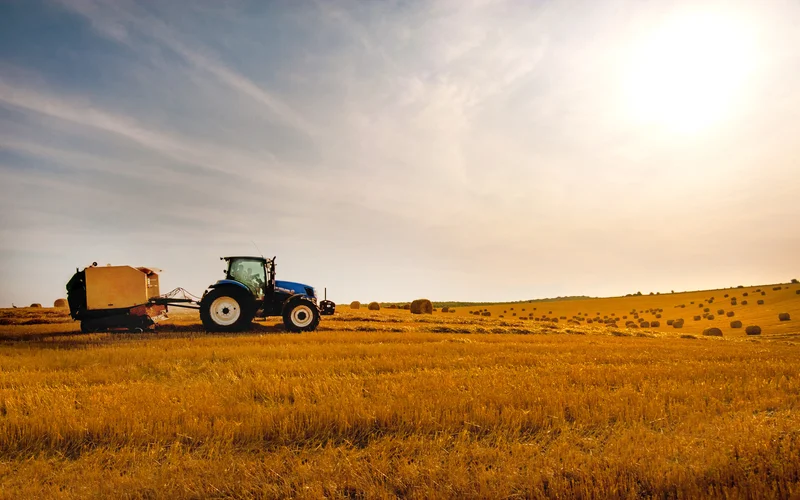
Has your baler ever broken down during harvest season? If so, you’ve probably felt the impact of downtime, crop loss and costly repair bills.
During harvest season, agricultural balers play an essential role in the speed, quality and storage of crops, hay and straw. Working within sensitive weather windows, many farmers rely on crops to feed their animals, so protecting the nutritional value and clearing fields quickly to allow more crops to be planted is essential. That’s why baler maintenance is important to meet these critical time windows.
Lubrication is just a small part of your regular maintenance schedule, but it can prevent critical issues that impact your entire crop production. In this guide, we’ll talk about essential baler maintenance tips and why you should never ignore them, especially during harvest season.
Why regular baler maintenance matters
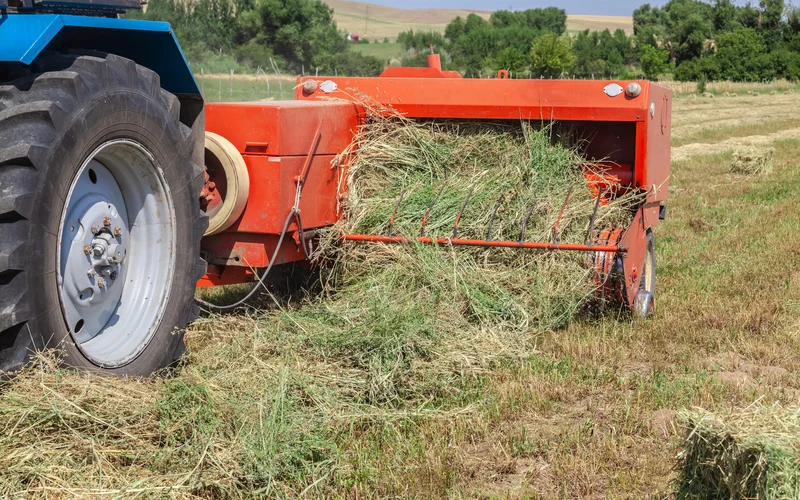
Balers are under immense pressure during harvest season, as they often operate in short windows of good weather. That’s why regular maintenance is essential to extending the lifespan of your baler and improving operational efficiency.
Dust, crop residue, moisture, and heavy loads all put additional strain on your baler, which can affect performance and lead to premature wear if it is not properly maintained, including regular lubrication. Some of the consequences of neglected lubrication include:
- Chain stretch: Increased friction and wear from poor lubrication can cause rapid material loss, making the holes in the bushings bigger and increasing the length of each link.
- Bearing failure: Excessive heat causes grease to break down, which reduces lubrication. When this happens, increased bearing temperatures can make them discolour, soften and fail.
- Overheating gearboxes: When the gearbox is poorly lubricated, there is no protective barrier between moving parts, which creates intense friction. This can lead to damaged components and system failure.
- Hydraulic inefficiency: Poor hydraulic fluid condition can increase system resistance and heat generation, placing additional strain on pumps and components.
Baler maintenance checks you shouldn’t ignore
Routine maintenance is essential for preventing mechanical failures and extending your balers' lifespan. From visual assessments to component lubrication, there are plenty of things you can check before relying on professional help.
A simple, repeatable baler maintenance checklist can dramatically reduce failures during your peak operating season.
Lubricant recommendations by baler component
Every component on your baler has different lubrication requirements. While some components require a thinner oil, others thrive with a thick protective grease. We’ve broken down which components require which type of lubricant and how it will benefit your baler.
Rollers and bearings
Rollers and bearings work to reduce friction and allow moving parts to rotate smoothly. They contribute to the process of picking up, compressing and binding crops into bales.
Recommended lubricant: High-quality, water-resistant lithium complex grease with Extreme Pressure (EP) additives
What it does: Prevents wear and component failure under high pressure and wet conditions.
Why it’s important: Lithium complex grease prevents heat build-up and component seizure, so during heavy use, you should increase your re-greasing frequency. It is essential for balers working in dusty conditions where accelerated wear can occur.
Pickup tines and cam tracks
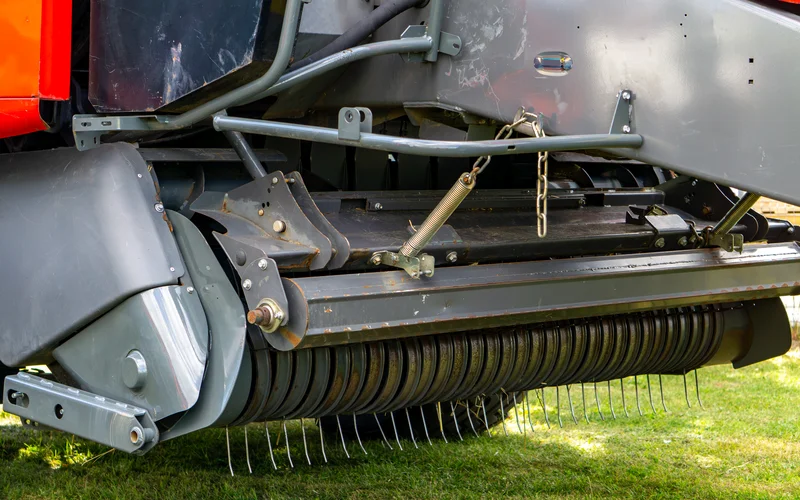
Essential components in the pickup mechanism of the baler, pickup tines and cam tracks help to lift crop material and move it into the bale chamber.
Recommended lubricant: Lithium complex grease
What it does: Reduces metal-to-metal wear and maintains stability under heavy shock loads.
Why it’s important: Pickup tines and cam tracks are constantly moving, increasing the risk of contamination. Lithium complex grease provides superior protection in harsh, dusty environments, which can prevent premature wear, rust and costly downtime while maintaining a consistent performance.
Chains and drive mechanisms
Chain and drive mechanisms provide non-slip power transmission and can operate under heavy, high torque in dusty conditions.
Recommended lubricant: Chain oil and extreme pressure grease
What it does: Chain oil and extreme pressure grease reduce friction and protect components against rust, which can extend the life of the chain.
Why it’s important: Baler chains are at risk of stretching, so using the correct chain oil can reduce corrosion and stretching between links. Chain oil and extreme pressure grease can prevent corrosion from dust and debris and reduce critical downtime.
Gearboxes
The gearbox is an essential component as it distributes power so the baler can produce movement. It can also adjust the speed of the baler while ensuring high performance.
Recommended lubricant: Heavy-duty, OEM-recommended Extreme Pressure (EP) gear oils
What it does: Gear oil is designed to protect critical components in high-stress enclosed systems by preventing metal-to-metal contact, pitting and premature wear.
Why it’s important: The right gear oil grade and lubricant level directly impact the gearbox's ability to operate under extreme pressure while preventing failures. If you notice any unusual noises or oil leaks from your gearbox, it may indicate there is an issue.
Seasonal maintenance tips
Before the harvesting season begins, you need to ensure your baler is in good working order. That’s why pre-season maintenance is essential before the hard work begins. However, maintenance doesn’t stop there. You should also maintain your baler throughout the season and once it is over to keep it in optimal condition.
Pre-season inspection before the first cut
After a prolonged period of inactivity, it’s essential to inspect your agricultural baler before the harvesting season begins. This can help you identify any potential issues and reduce unplanned downtime during peak season. This should involve:
- Cleaning to remove any dirt or debris
- Lubrication top-ups in accordance with your owner’s manual
- Safety checks to inspect and replace any damaged or missing components
- Drivetrain inspection for wear and adequate tension
- Hydraulic inspection for cracks, leaks or damage
- Tyre checks for damage and to ensure correct pressure
- Electrical testing of lights, monitors and sensors
Mid-season checks during peak workload
During peak harvesting, keeping on top of regular maintenance is key to a successful season with minimal downtime. Some of your mid-season checks should include:
- Cleaning built-up hay, dust and debris from cracks and crevices in the machine to prevent a fire risk
- Belt and roller inspection to identify excessive wear
- Lubrication and bearing maintenance to inspect for noise and re-grease components
- Pick-up mechanism checks to ensure teeth are not damaged, and feeder tines can move freely
- Hydraulic and electrical inspections to ensure connections are secure
- Safety checks to ensure bolts are tight, chains are tense, the tailgate locks properly, and the guards are secure
End-of-season cleaning and lubrication
Once the harvesting season is over, your baler must be clean and lubricated before a period of non-use. By removing dirt, keeping your baler clean and ensuring it is sufficiently lubricated, you can prevent unwanted corrosion during the winter months.
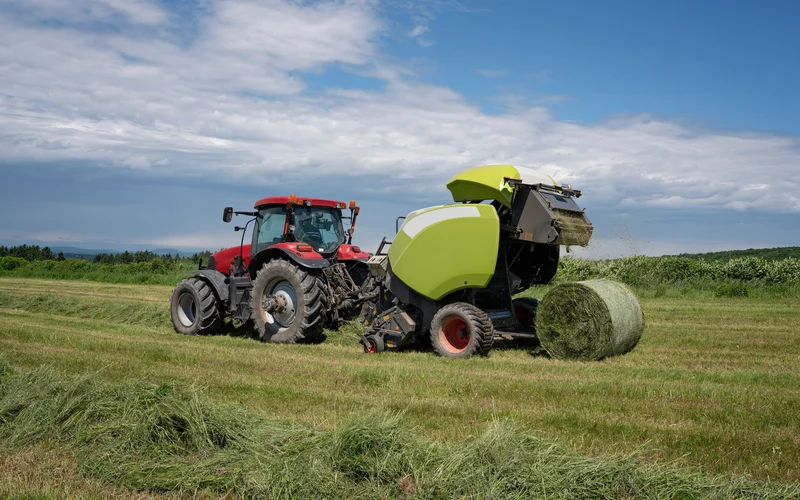
The payoff of proper lubrication
By following your manufacturer’s lubrication guidelines, not only can you minimise downtime and maximise machine lifespan, but you could also experience the following benefits:
- Reduced breakdowns during critical harvest windows due to regular lubrication with the right fluids and greases
- Longer component life if it has been properly lubricated and protected
- More consistent bale quality if the machinery is operating at maximum efficiency all of the time
- Lower total cost of ownership since proper lubrication reduces unplanned downtime and repairs caused by poor lubrication
Reliable baling starts with the right maintenance
Baler maintenance isn’t just about keeping machines running; it’s about protecting your harvest. Through proper maintenance and regular lubrication, you can reduce downtime and improve operational efficiency, as well as extend the lifespan of your machinery. Choosing the right lubricant for each baler component is key to reliable performance, so always follow your manufacturer’s recommendations.
Discover more about how to protect your crop production.