


Key takeaways
- Consistent lubrication prevents costly downtime. Regular greasing and oil checks, especially during harvest season, are essential to avoid breakdowns and keep equipment maintenance on track.
- Follow manufacturer recommendations. Using the correct lubricant type, viscosity and service intervals ensures maximum protection for each component.
- Make lubrication a year-round priority. From pre-season prep to off-season storage, a structured maintenance routine extends equipment life and improves overall performance.
Lubrication should be an essential part of your farming equipment upkeep. Without it, you risk equipment breakdowns during critical harvesting seasons, leading to unplanned downtime, delays, and impact on your yield.
In this guide, we’ll cover the basics of lubrication, common lubrication points on farming machinery and simple maintenance checklists for you to follow. Let’s get started.
Why lubrication is critical in farm machinery
Farming machinery operates under heavy loads and often in extreme conditions with excess dust, dirt, heat and rainfall. During harvest seasons, the stress on farming machinery is increased even further because it is operating more frequently under challenging conditions. However, regular lubrication protects critical components and can:
- Reduce wear and tear
- Prevent corrosion and rust
- Improve performance and fuel efficiency
Combined with an overall maintenance plan, a lubrication strategy can reduce unplanned downtime and extend the life of your farming machinery, reducing your long-term operating costs.
Overview: Farm equipment that needs regular lubrication
All of your farming equipment needs regular lubrication, especially when it’s being used more frequently. This typically includes topping up or changing oil, greasing critical components, inspecting and topping up coolant, cleaning debris and replacing worn parts.
Of course, every piece of equipment has different maintenance needs, so you should follow your manufacturer’s recommendations for each individual piece of machinery.
- Balers need daily cleaning, and you should lubricate moving parts regularly and check whether any lubricants need topping up.
- Tractors should be checked for engine oil, coolant levels, hydraulic fluid and tyre pressure every day, and topped up as required. You should also grease pivot points monthly.
- Ploughs need to be cleaned regularly to prevent rust and soil resistance. You should also lubricate moving parts and replace damaged components.
- Harvesters need cleaning daily to remove dust, dirt and crop residue. You should also grease key lubrication points, check fluid levels every day during peak harvesting season and check components for wear.
- Sprayers need cleaning after every use, and you should inspect nozzles and filters regularly.
- Mowers need cleaning every day to remove grass and mud build-up. You should also check for loose parts, damaged blades, and grease key moving components.
Farm equipment maintenance
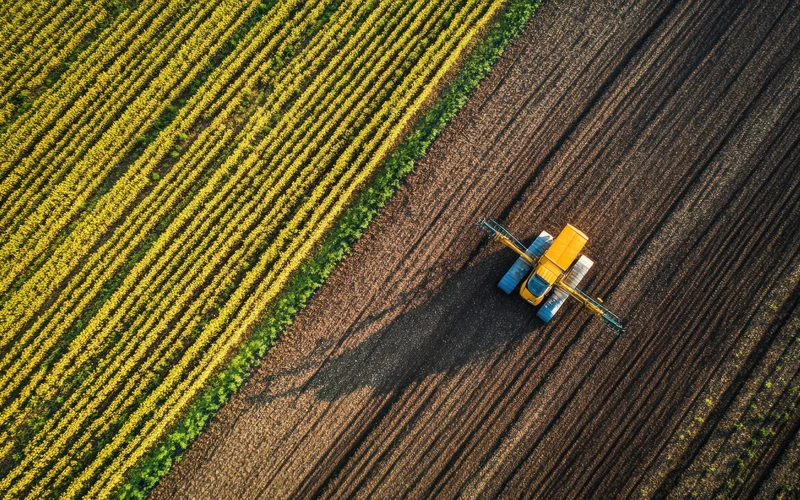
During harvesting season, especially, equipment maintenance is essential. Regular maintenance can help prevent unplanned downtime and extend equipment lifespan, especially during critical harvesting seasons.
Common lubrication points on farming equipment
Each component requires specific lubrication, as recommended by your manufacturer. Here, we’ve outlined what types of lubrication different components of your farm equipment need and why it’s important to keep machinery running smoothly.
Lubrication best practices
Following your manufacturer’s recommendations is essential when lubricating your farming equipment to ensure you are using the right lubricant and following the appropriate lubrication intervals. When devising a lubrication strategy, you should consider the following.
Choosing the right grease or oil
Manufacturers recommend specific formulations of grease or oil for specific reasons. This often depends on the component, type of machinery, operating conditions, temperature and other factors, so it is important to follow recommendations for each component and each piece of equipment.
Greasing intervals vs hours of operation
Greasing intervals are typically defined by hours of operation. For consistent daily use, you may need to re-grease every 1-10 hours of operation. Moderately used equipment may benefit from re-greasing every 10-20 hours, and machinery that is used periodically may last 4-50 hours before re-greasing.
Seasonal prep
Before and after harvesting season, it is recommended that you carry out maintenance checks on your farm equipment to properly protect and maintain your machinery.
Pre-harvest
Before harvesting season begins, you should replace any worn or broken parts, change filters and fluids, clean machinery, lubricate moving parts, check tyres and make sure sensors are calibrated properly.
Post-season
Following the harvesting season, you need to give your farming equipment a thorough cleaning to prevent rust and ensure longevity. You should also carry out any necessary repairs and grease fittings and joints.
How to avoid over-lubrication
By following recommended lubrication intervals and carrying out daily checks, you can avoid over-lubrication, which often happens when lubricants are topped up without being checked first.
Seasonal & preventive lubrication schedule
Your farming equipment needs to be maintained all year round, whether it is in use or not. This ensures longevity and protects it from wear and corrosion, even during downtime. Maintenance tasks vary by season, as illustrated below.
Signs you’re under-lubricating (and what to do)
Under-lubrication can be a critical issue in farming equipment that can accelerate wear and tear and lead to premature failures. Extreme operating environments expose farming machinery to excessive dust, dirt and moisture, which can lead to corrosion if your machinery is not properly protected. If your machinery is under-lubricated, you may experience the following symptoms:
- Unusual noises like squeaking, grinding or scraping suggest metal-on-metal contact between bearings, joints or pivot points.
- Excessive heat is caused by lubricant starvation and can lead to severe overheating and component damage.
- Wear patterns are caused by excessive friction, heat and metal-to-metal contact. This happens when bearings, gears, and pins aren’t lubricated properly, which can cause pitting, scoring, and galling.
- Increased fuel use happens when there is excess friction between components. When this happens, the engine needs to work harder, which leads to higher fuel consumption.
If you do notice any of these signs, you should check your equipment for damage right away, assess the lubricant levels and top up if needed.
How high-quality lubricants improve farm equipment life
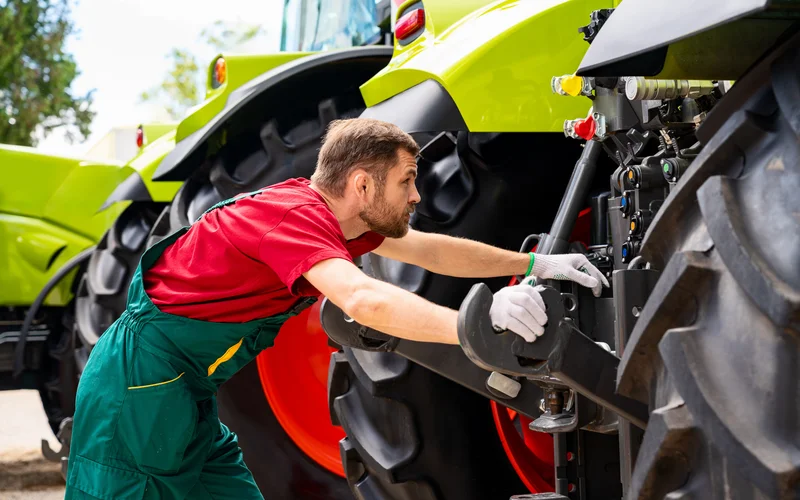
High-quality lubricants are essential for protecting and prolonging the lifespan of your farm equipment. Advanced formulations can protect equipment from harsh environments, heavy loads and intense pressure with cooling, cleaning and lubricating properties to protect critical components.
When selecting the right lubricants, you should always follow your manufacturer’s recommendations for each piece of equipment and each component. This includes the type of lubricant and viscosity recommendations based on your level of use and operating climate.
By lubricating equipment consistently, you can improve equipment reliability, reduce unplanned downtime, extend equipment life, and reduce operational costs.
Keep your equipment running season after season
Lubrication is one of the most effective ways to protect your farm machinery, particularly when it comes to agricultural equipment maintenance. A consistent approach, from daily greasing during harvest to full seasonal servicing, helps prevent breakdowns and costly downtime when you need your equipment most.
By following manufacturer guidance and using the right high-quality lubricants, you can extend component life, improve performance and keep your operation running efficiently season after season.
Discover more about choosing the right agricultural oil for your farm equipment.