Banner

Whitepaper: Maximising Crop Protection Performance


How Spray Quality Improves Yield, Quality and Return per Hectare
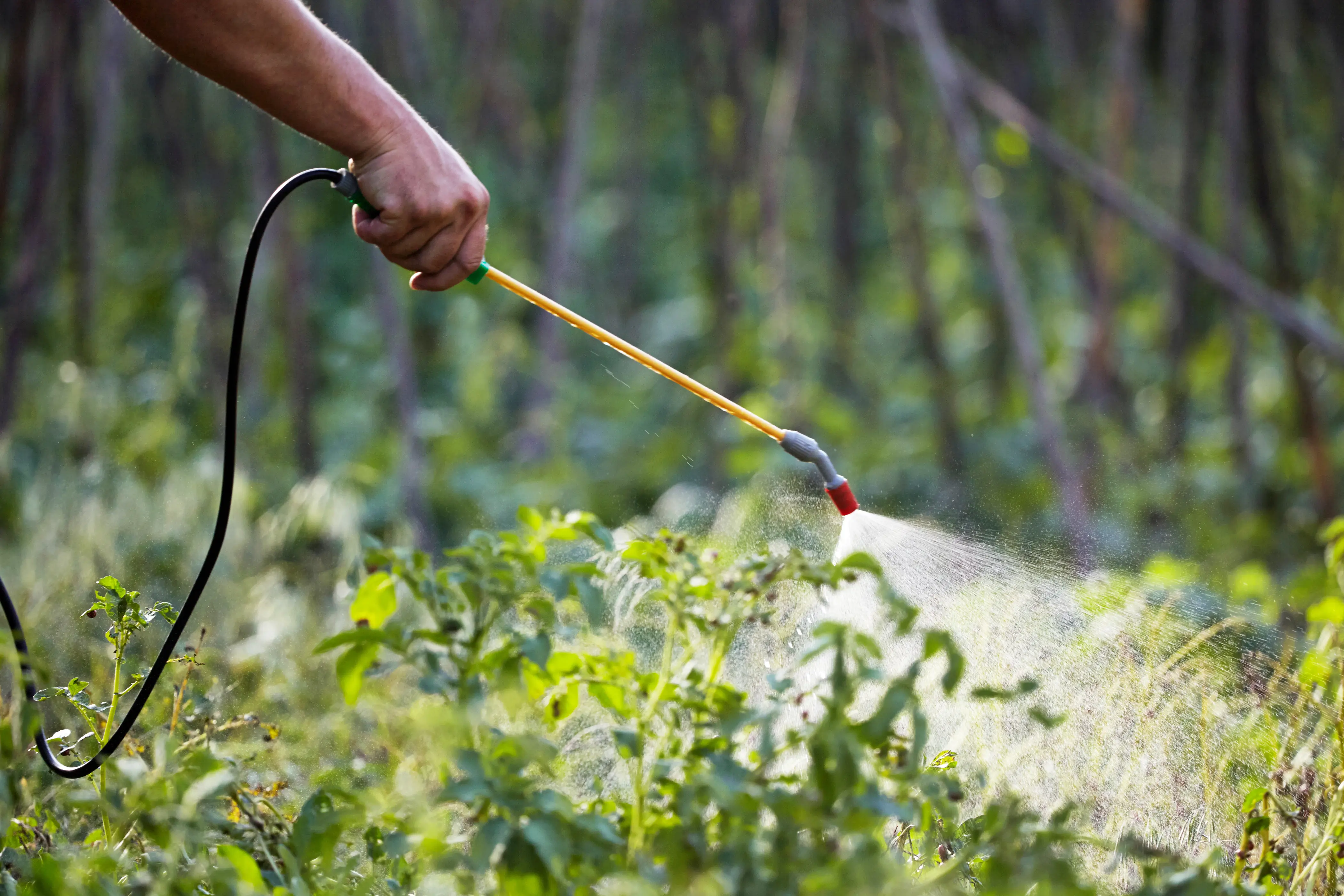
Climate variability is accelerating pest and disease pressure across every major growing region, plant diseases alone now cost the global economy more than $220 billion a year, with invasive insects adding a further $70 billion in losses. As growers respond with more frequent, more complex spray programmes, one factor is increasingly deciding whether that investment pays off: spray performance. 
 

This whitepaper from Frost & Sullivan, commissioned by Gulf, shows why spray application quality, not just spray volume or active ingredient, is what determines whether crop protection translates into yield, quality and return per hectare. Drawing on field evidence from nine major crops across Europe, the Americas and Asia, it sets out a practical, return-on-investment approach to crop protection decision-making.
 

  • Why up to 60% of applied spray can be lost before it ever reaches the crop, and the three loss pathways behind it 
  • How canopy structure, from dense citrus and grapevines to open almonds and cereals, reshapes the pest, disease and application challenge
  • Field-proven results across citrus, grapes, berries, bananas, tomatoes, almonds, avocados and field crops 
  • A practical framework for shifting crop protection decisions from cost-per-litre to return-per-hectare 
     

Download Whitepaper

Crop Protection Whitepaper

The Scale of the Crop Protection Challenge

Reduce our GHG Emissions

$220bn+

Lost to plant diseases every year globally, plus a further $70bn from invasive insects29

 

safe

Up to 60%

Of applied spray volume can be lost to drift, evaporation and off-target deposition before it ever reaches the crop 10

Embrace and help develop low-carbon mobility solutions

20–40%

Of global crop output is lost to pests and diseases each year – with weeds adding losses of up to 35% in unmanaged systems 9, 23

*Stats and references found in the whitepaper.

Build a More Reliable, Higher-Return Crop Protection Programme

Growers are spending more to protect less margin. Total crop protection expenditure in high-value crops has risen by more than 20% over the past decade, and many fruit and vegetable crops now require 10, 20 or even 30+ applications a season just to hold the line. Yet spray intensity alone hasn’t closed the gap, a substantial share of every application still fails to reach or stay on its target.

The more relevant question isn’t how much is applied, but how effectively it performs once it lands. That means optimising four interdependent parameters together: efficacy, operational efficiency, crop safety and marketable output. Field evidence in this whitepaper shows the payoff, infestation reductions of 36–95% across citrus, grapes, berries, bananas and almonds, translating directly into higher packable yield, fewer re-sprays and more predictable returns per hectare.

This is the shift Gulf is calling on growers and agronomists to make: from evaluating crop protection on cost-per-litre, to evaluating it on return-per-hectare. 


  • Effective Crop Protection: improved spray coverage, deposition, retention and uptake
  • Improved Crop Value: lower infestation preserves marketable yield and quality 
  • Enhanced Operational Efficiency: fewer re-sprays and corrective interventions
  • Reliable Economic Outcomes: more predictable returns per hectare
     

Download Whitepaper

CAPTCHA
Please tick the box to confirm you are human

Frequently Asked Questions

Why doesn’t spray efficacy always translate into results in the field?

Even a highly effective active ingredient underperforms if it doesn’t reach and stay on the target long enough to work. Studies show that up to 60% of applied spray volume can be lost to drift, evaporation, and off-target deposition, creating a delivery gap between what’s applied and what actually protects the crop.

What role do spray oils and adjuvants play in improving performance?

They modify how droplets behave from the moment they leave the nozzle to the moment they’re taken up by the plant or pest, improving spreading, retention and penetration. Field trials in this whitepaper show adjuvants improving weed control by up to 35% over herbicide alone, and spray oils reducing pest infestation by 36–95% across a range of crops, with no phytotoxicity observed.

How does spray quality affect return per hectare?

Better spray performance preserves more of the harvest at commercial quality standards, reduces the need for costly re-sprays, and makes crop protection outcomes more predictable season to season. In citrus trials, for example, a 25% reduction in pest infestation was associated with a nearly 20% improvement in marketable yield.

Looking for more?

Explore more insights and field evidence on the Gulf Agriculture Industry Insights hub.

View More

Maximising Crop Protection Performance