



Improper greasing accounts for 58% of preventable bearing failures and component breakdowns, according to Heavy Vehicle Inspection & Maintenance. That’s why proper lubrication is essential to protect equipment and minimise failures. Oil is often the go-to in many heavy-duty systems, but it is not always the right choice. Some components require grease for adequate lubrication, and it is often the smarter choice in harsh operating environments.
In this guide, we will explore grease vs oil and discuss when grease is the more appropriate choice to correctly protect and lubricate your equipment.
Grease vs oil - what’s the difference?
Lubricants are essential for ensuring machinery is protected and for reducing friction between moving parts. They prevent components from becoming prematurely worn or broken, as well as absorbing shock, reducing noise and minimising corrosion of parts. But how do you know whether grease or oil is the better choice?
Oil lubrication
Oil-based lubricants are free-flowing and often used in closed systems like engines, hydraulic systems, gearboxes, and transmissions. Oil lubricants reduce friction and wear while dissipating heat, preventing corrosion and removing contaminants from the system. It will be clear from your owner’s manual what type of oil you need and where it should be used.
Grease lubrication
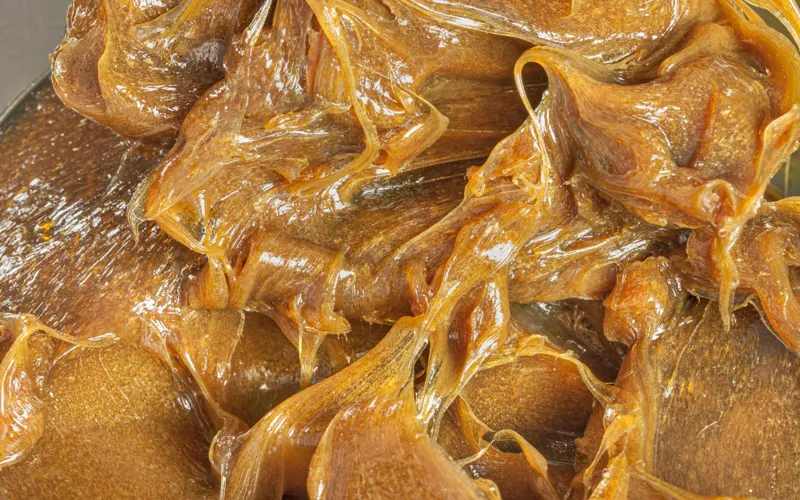
Grease-based lubricants are thick, with a paste-like consistency, and are used to create a protective film between components. Grease reduces friction between moving parts, acts as a shock absorber, seals out contaminants, protects against corrosion and water ingress and enhances load carrying capabilities. Applied in a semi-solid form, grease can stay in place on hard-to-reach components and provide a thick lubricating film, which is ideal for harsh environments.
For reference, here's a comparison of the features of both grease and oil and when one lubricant may be the better choice over the other
Feature | Grease | Oil |
| Form | Semi-solid, thick | Liquid, free-flowing |
| Best For | Exposed, slow-moving, high-load components | Enclosed, high-speed, circulating systems |
| Staying Power | Stays in place, resists wash-off | Can leak, drip, or be displaced |
| Shock Load Protection | Excellent cushioning effect | Limited as film can break under heavy impact |
| Contaminant Barrier | Acts as a seal against dust, water, and debris | Offers little sealing and relies on system design |
| Maintenance Frequency | Longer re-lubrication intervals | Requires more frequent checks & top-ups |
| Heat Dissipation | Lower: holds heat | Higher: circulates to remove heat |
| Typical Uses | Pins, bushings, chassis parts, exposed bearings | Gearboxes, engines, hydraulics, high-speed bearings |
When to use grease vs
The decision to use grease or oil will depend on a variety of factors, and you will need to take into consideration the component you want to lubricate as well as your manufacturer's recommendations. However, where and how you are using equipment can also impact which lubricant is the better choice.
Operating environment
Oil is ideal for machinery that operates at high speeds. It works best within a circulating system that can filter out contaminants and when components are easily accessible for frequent oil changes.
Meanwhile, grease is the better choice if you are operating at low or medium speeds. It works best for hard-to-reach components or those that are sealed, and when machinery must maintain a consistent operating temperature.
Load type
Oil is the better choice when handling consistent loads and continuous operation in machinery that generates a lot of heat. Grease is ideal for machinery with frequent stop-start cycles and heavy or shock loads that require a robust protective barrier.
Exposure to contaminants
Oil is ideal for closed systems where there is an expectation that contaminants will enter and be removed by filters. However, grease is ideal for components that are exposed to contaminants and require a thick, robust seal to protect against dirt ingress.
Maintenance intervals
Oil is ideal for closed systems with frequent maintenance intervals that can be easily accessed. Grease is often used on hard-to-reach components or those that are sealed for life, as it is thick and long-lasting, so it doesn’t need to be applied or replaced regularly.
Why grease is the better choice in tough conditions
The semi-solid consistency of grease means it can stay in place and stick to components for consistent lubrication and to avoid dry starts. This is particularly important for mining and construction equipment operating in challenging environments, as it is exposed to harsh operating conditions and a number of contaminants. Grease offers the following benefits in difficult conditions.
Shock load protection
Grease enhanced with extreme pressure additives forms a protective cushion and can absorb shock associated with heavy loads more effectively than oil. It is ideal for high-pressure pin and bushing applications.
Contamination resistance
The thick nature of grease forms a sealing barrier around components that are sealed for life, protecting against dust, water, mud and debris. It is ideal for sealing gaps and is an excellent choice for mining and construction settings.
Stays in place
Grease sticks to components and won’t drip or wash away in rain, heat, oil or under vibration in the same way oil will. It is even effective on vertical and inclined surfaces where gravity would cause oil to flow away.
Extended service life
Grease stays in place and can provide longer-lasting lubrication in applications where oil would leak, drip, or be displaced, reducing the need for frequent re-lubrication. Less frequent maintenance means reduced downtime and labour.
Typical applications for grease lubrication
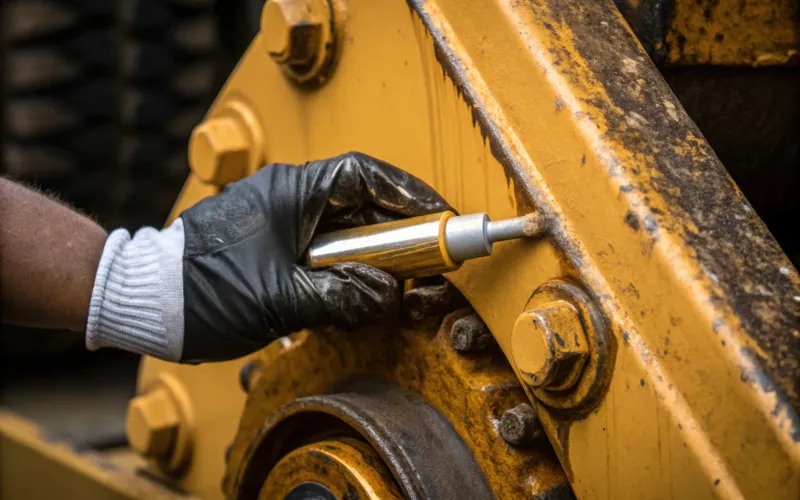
Grease is often used for off-road and heavy-duty mobile equipment where thinner lubricants like oil would simply not stay in place. It acts as a protective seal against contaminants and is ideal for heavy loads, high pressure and shock loads. While grease is not suitable for closed systems, it works best on the following components:
- Chassis joints that need to be protected from wear and corrosion
- Bucket, boom pins and moving joints on loaders and backhoes so components can move freely
- Exposed bearings, including conveyor roller, ball and roller bearings, and slow-moving journal and pivot bearings
- Open gears and heavily loaded gear sets in machinery are subject to high pressures and heavy loads
- Linkages and couplings that are exposed to heat and friction, which can lead to wear
If you’re unsure about what components on your machinery need to be lubricated with grease, rather than oil, you should always refer to your owner’s manual and follow your manufacturer’s recommendations.
When oil lubrication is still the better option
Grease isn’t always the right lubricant choice for your machinery, even in harsh operating environments. For example, enclosed, circulating lubrication systems like engines, gearboxes, hydraulics, transmission systems, and cooling systems benefit more from oil, rather than grease.
This is because they are powered by high-speed rotating parts, operate at high temperatures and require cooling and contaminant flushing that comes from using the right oil. Heat dissipation is also a priority, and oil needs to flow freely and carry unwanted heat away from components, so grease would be too thick for these situations. Oil can also be more closely monitored and analysed to assess the condition for predictive maintenance and prevent failures before they happen.
To understand the right high-performance oil for your heavy machinery, you should always consult your owner manual.
Choosing the right grease for your equipment
In harsh operating environments where machinery is placed under great stress and contamination is likely, a heavy-duty grease is essential. You may want to consider a moly-based, lithium-based extreme pressure (EP), or synthetic grease that can withstand high temperatures, heavy loads, contamination, and provide long-lasting protection.
It may also be worth choosing a grease enhanced with protective additives like extreme pressure, anti-wear agents, corrosion and rust inhibitors, oxidation inhibitors, tackifiers and adhesives, viscosity index improvers or detergents and dispersants to protect machinery and equipment against your specific operating conditions. However, you should always follow your manufacturer's recommendations.
Protecting your machinery with the right grease
Grease isn’t just a ‘thicker oil’. It is formulated for specific applications and components where oil simply won’t do the job and a higher level of protection is required. The right grease can protect your machinery from contaminants, extreme pressure, heavy loads and high temperatures that can all lead to premature wear.
Learn more about how our industrial lubricants can protect your heavy machinery now.