



Key summary:
- Rough idling signals an engine problem, with symptoms such as vibrations, fluctuating RPMs, stalling and unusual noises.
- Common causes include worn spark plugs, vacuum leaks, dirty fuel injectors, faulty sensors and low or dirty engine oil.
- Regular maintenance and early repairs help prevent expensive damage, while persistent rough idling should be checked by a mechanic.

A healthy engine should idle at around 600–1,000 RPM.

Low or degraded engine oil can increase friction, wear and engine temperature.

Rough idling is most noticeable during cold starts, at traffic lights, when parked, or with the air conditioning on.
Have you noticed your car is shaking or vibrating a lot more than usual when you first start the engine or are stopped at a traffic light? When paired with fluctuating RPMs and unusual engine sounds, you’re probably experiencing rough idling.
Rough idling can impact performance, fuel economy and even lead to costly repairs if left unresolved. In this guide, we’ll help you to identify rough idling as well as potential causes and how to prevent it from happening. Let’s begin.
What does a rough idle feel like?
When your car is running but stationary, it should feel smooth and steady with 600-1,000 revolutions per minute (RPM) and low hum. If you are experiencing harsh vibrations, like when driving over rumble strips, your vehicle is probably rough idling.
Common Symptoms
When your vehicle is rough idling, you will probably notice the following symptoms:
- Vehicle shaking when stationary
- Uneven engine sound
- RPM needle moving up and down
- Engine hesitation or stalling
- Check Engine Light is on
When does it usually happen?
You won’t experience rough idling all the time, and are unlikely to notice any symptoms while you are driving and the car is mobile. However, you are most likely to notice rough idling at the following times:
- At traffic lights
- During cold starts
- While parked with the engine running
- With air conditioning switched on
If you experience one or more idling symptoms when your vehicle is running but stationary, you probably need to have your vehicle looked at by a mechanic to diagnose the cause.
Why does an engine idle roughly?
Rough idling can occur for a number of reasons, but it is usually related to a mechanical issue, air-mixture imbalance or a problem with the ignition system. A problem with any of these systems can prevent smooth operation.
How engine idling works
When your engine is idling, it should maintain a resting speed of 600-1,000 RPM. During this time, the throttle should mostly remain closed to restrict airflow, and the air-fuel mixture should be managed by the engine control unit (ECU). This keeps the engine running while the vehicle is stationary. The balance between air, fuel and spark is essential for smooth operation.
Here are some of the most common problems that can lead to rough idling.
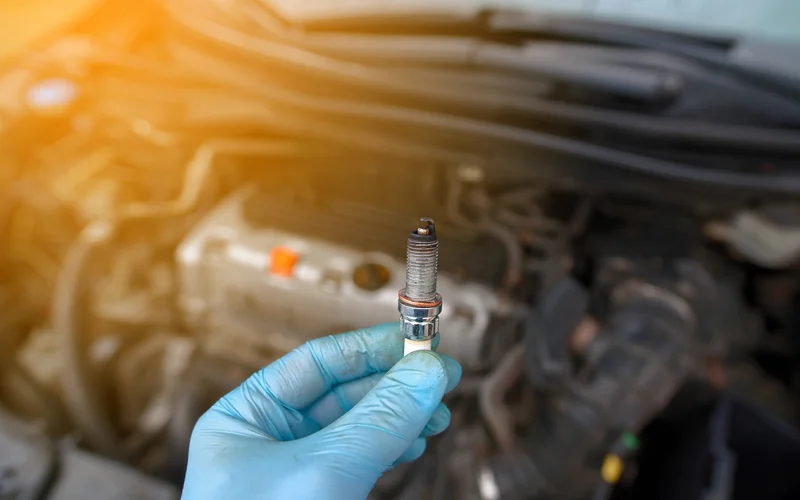
1. Worn or faulty spark plugs
Why does it cause rough idling?
Worn or faulty spark plugs can cause misfires, leading to uneven combustion. That’s because they struggle to ignite the air-fuel mixture consistently, so you will experience misfiring, shaking and vibrations when stationary.
Signs to look for
- Poor fuel economy
- Difficult starting
- Hesitation during acceleration
Typical fix
If your spark plugs are worn or faulty, replacing them according to manufacturer recommendations should resolve the issue.
2. Vacuum leaks
What is a vacuum leak?
When air enters the engine where it shouldn't, it is called a vacuum leak. This can lead to rough idling because it disrupts the desired air-to-fuel ratio, so the engine has to work overtime to correct the problem.
Symptoms
- Rough idle
- High or inconsistent RPM
- Whistling noises
Typical fix
Replacing damaged hoses or seals should prevent further vacuum leaks that lead to rough idling.
3. Dirty or faulty fuel injectors
Why fuel delivery matters
If fuel injectors become dirty or clogged, it prevents the air-to-fuel ratio required for the engine to run smoothly at idle. They can cause misfires, uneven combustion and shaking if they are dirty or faulty.
Warning signs
- Rough running
- Reduced fuel efficiency
- Sluggish performance
Typical fix
Your fuel system likely needs cleaning, or the injector may need to be serviced or replaced to resolve rough idling.
4. Carbon build-up in the throttle body
How carbon deposits affect airflow
When carbon deposits build up in the throttle body, it restricts the air entering the engine. This means that when you are not pressing the accelerator, the precise airflow needed cannot be delivered effectively.
Symptoms
- Rough idle
- Stalling
- Inconsistent RPMs
Typical fix
If the carbon build-up in the throttle body is causing rough idling, it probably needs to be professionally cleaned to prevent further issues.
5. Faulty sensors
Sensors that commonly cause idle issues
When sensors are faulty, they send incorrect signals to your car, which can lead to rough idling. You’re most likely to find faults with the Mass Air Flow (MAF) sensor or the oxygen sensors, which lead to rough idling.
What happens when they fail?
- Incorrect air-fuel mixture
- Poor engine performance
Typical fix
To determine whether your vehicle has any faulty sensors, a diagnostic scan will be required, and the sensors will be replaced if they are found to be the issue.
6. Problems with the PCV valve
What the PCV valve does
The PCV valve regulates the crankcase pressure. When it is not working properly, it can cause a vacuum leak, which throws off the air-to-fuel ratio and causes rough idling.
Signs of failure
- Rough idle
- Increased oil consumption
- Check Engine Light
Typical fix
If the PCV valve is causing your engine to rough idle, the best solution is to replace the faulty PCV valve.
7. Low or dirty engine oil
Why lubrication matters
Oil lubricates engine components and reduces friction that can lead to premature wear. It also helps your engine to operate smoothly. If engine oil is low or degraded, it increases friction and heat, which can affect smooth engine operation and contribute to idle issues.
Related symptoms
- Engine noise
- Reduced performance
- Increased engine temperature
Typical fix
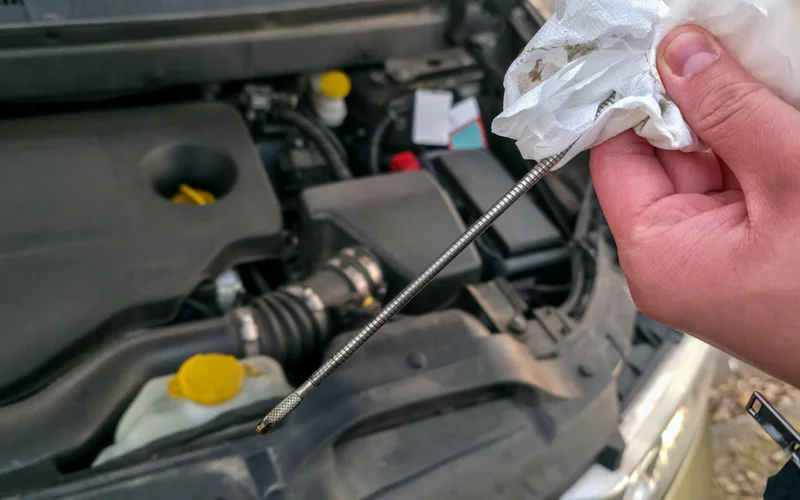
First, you should check your engine oil. If the levels are low, you should top it up. If it appears dirty or contaminated, you should replace it with the correct grade of engine oil recommended by the manufacturer.
Can you fix a rough idle yourself?
Depending on the severity and complexity of the issue causing rough idling, it may be something you can fix yourself. You can begin with a few simple DIY checks to try to locate the source of the problem. Once you’ve carried out these checks, you can either resolve it yourself or you’ll know exactly what to ask the mechanic to look at.
DIY checks car owners can perform
- Check engine oil level
- Inspect air filter
- Look for obvious hose damage
- Monitor dashboard warning lights
When DIY isn't enough
Unfortunately, the problem causing rough idling may be more complex, so a DIY approach won’t always work. If you experience any of the following, it’s probably time to seek professional help and get your vehicle assessed by a mechanic:
- Persistent rough idle
- Check Engine Light remains on
- Stalling or severe vibration
When to visit a mechanic
You may need to take your car to a mechanic if you have tried to find and resolve the cause of rough idling but have not yet been successful. Even after topping up engine oil or having air filters changed, rough idling might still be occurring, so your vehicle will need to be inspected and repaired by a mechanic if it is still showing signs of rough idling.
Warning signs that need professional attention
- Frequent stalling
- Strong fuel smell
- Engine misfires
- Excessive vibration
- Multiple warning lights
Benefits of early diagnosis
You should have your vehicle assessed and repaired as soon as possible to prevent the problems associated with rough idling from becoming worse and leading to other issues. Some of the benefits of early diagnosis and repairs include:
- Lower repair costs
- Improved fuel economy
- Better engine reliability
Preventing rough idle problems
Regular maintenance is one of the best ways to reduce the risk of rough idling. Many causes, such as worn spark plugs, dirty filters and low engine oil, develop gradually and can often be identified during routine servicing.
To help keep your engine idling smoothly:
- Follow your vehicle's recommended service schedule
- Use the correct engine oil and change it on time
- Replace spark plugs and air filters when required
- Don't ignore dashboard warning lights
- Investigate unusual vibrations, noises or performance changes early
Catching small issues before they worsen can help keep your engine running smoothly and reduce the risk of costly repairs.
Keep your engine running smoothly
A rough idle is often an early warning that something isn't quite right with your engine. While some causes are relatively simple to fix, ignoring the problem can lead to reduced performance, poor fuel economy and more expensive repairs over time.
Key takeaways:
- A rough idle can be caused by issues with the ignition, fuel, air intake, sensors or engine oil.
- Common symptoms include vibrations, fluctuating RPMs, stalling and unusual engine noises.
- Routine maintenance, including regular oil changes and replacing worn components, can help prevent many idle-related problems.
- If your engine continues to idle roughly or warning lights appear, have the vehicle inspected as soon as possible to prevent further damage.
By recognising the early signs and addressing them promptly, you can help keep your engine running smoothly, efficiently and reliably for longer.
For more vehicle maintenance advice and expert insights, explore our other helpful blog posts.
Sources for further reading
What Does It Mean If My Car Shakes While Idling?, Hollenshades Auto Service
What is a Rough Idle & What Causes it, Kwik Fit
What Is Rough Engine Idling? Common Causes and How to Fix, Start Rescue