


Key summary:
- Diesel engines are more cold-sensitive than petrol engines, as fuel waxing, battery strain and thickened oil all make cold starts harder.
- Warning signs include slow cranking, repeated start attempts, rough idling and dashboard warning lights.
- Most issues are preventable with winter-grade diesel, a topped-up tank, regular servicing and the correct oil. If the engine won't start, avoid over-cranking and call a professional.
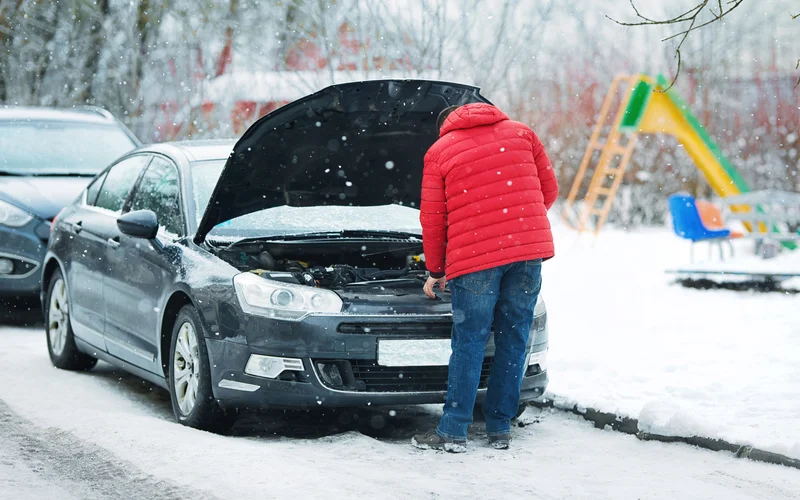
Picture this: it’s a cold morning, you insert your car key, and try to start the engine, but your car is reluctant to start. Sound familiar? If you have a diesel engine, you’ve probably noticed that it is much more sensitive in cold weather than petrol engines. That’s because they rely on heat created by high levels of compression rather than spark plugs, which makes starts difficult when it’s colder outside.
In this guide, we’ll look at why diesel engines are more vulnerable to cold, warning signs to look for, how to prevent cold-weather problems and more.
Why are diesel engines more vulnerable to cold than petrol engines?
Diesel engines do not have spark plugs like petrol engines do. Instead, they rely on heat generated through compression to ignite the engine. But when it’s cold outside, a lot of this heat is absorbed by the outside air, which can make starting the engine difficult.
Diesel also has a different chemical makeup to petrol as it contains paraffin wax. When temperatures drop outside, the wax in the fuel crystallises and thickens into a gel, which can clog fuel filters, making it more difficult for the fuel to flow smoothly.
These engines also demand more battery power because they have higher compression ratios, and the cold weather reduces the battery's capacity. A combination of these elements makes your diesel engine more vulnerable in cold weather.
Cold-weather and diesel car problems explained
Cold weather can put additional stress on your diesel engine and lead to problems that make it difficult to start your engine. Here are some common cold-weather problems you might experience.
Fuel gelling/waxing: Diesel has paraffin wax within the fuel, which can crystallise as the weather gets colder. Cloud point refers to the temperature at which crystals become visible, making the fuel appear cloudy. Meanwhile, the cold filter plugging point is the lowest temperature at which the fuel can still flow without blocking the filter. Both terms describe how diesel acts in cold weather.
Fuel filter blockages: When wax crystals form in diesel, they can clog the fuel filter, preventing the fuel from flowing smoothly.
Battery strain: When the weather is cold, it reduces the efficiency of the battery. This can make it difficult to start the engine because it’s usually when you need more cranking power.
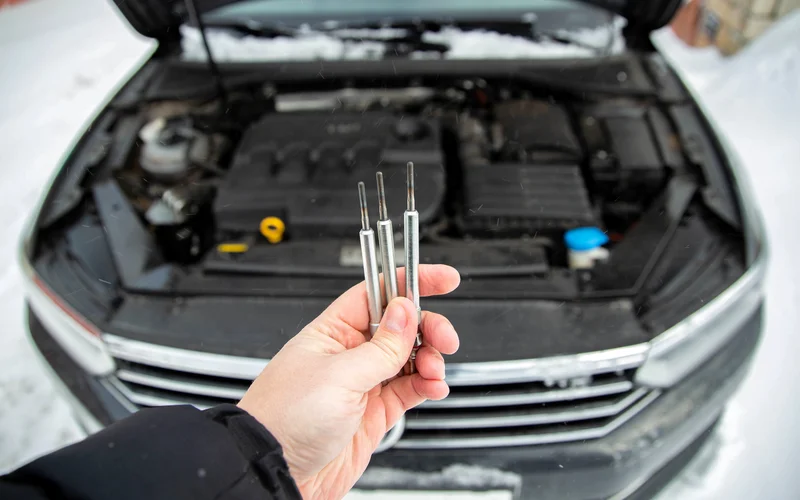
Glow plug issues: Glow plugs pre-heat the combustion chambers to ignite the diesel fuel and start your engine. If they are broken or faulty, they can’t generate enough heat to ignite the fuel and start the engine, so they likely need replacing.
Thicker engine oil: Oil viscosity increases when temperatures drop, which also increases the internal engine resistance. This means the starter motor needs to use more battery power just to turn the engine over. That’s why using the right viscosity of engine oil is essential, especially in low temperatures.
Condensation in the fuel tank: If there is water condensation in the fuel tank, the water can sink to the bottom and freeze when it’s cold. This can cause contamination while clogging fuel lines and filters, making cold starts even more difficult.
Warning signs to watch for
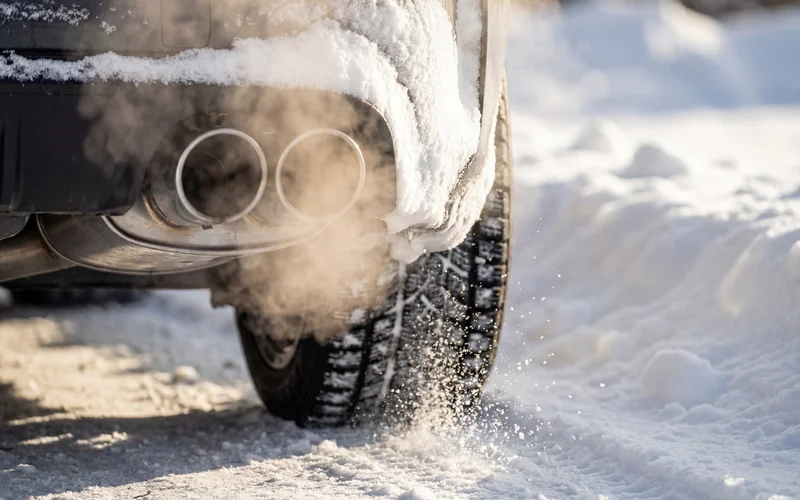
If you’re closely monitoring your diesel engine when you first start it up, you’ll probably recognise any small changes to your engine. You might notice one or multiple of the following warning signs that your engine is struggling with cold starts:
Slow or laboured cranking
Diesel engines rely on high levels of combustion heat to ignite the fuel and start the engine; however, cold air draws this heat out. This can make cranking feel sluggish as the engine takes longer to turn over.
Difficulty starting or repeated attempts needed
It may take multiple attempts to start your diesel engine when it is cold outside. This could mean that there is air trapped in the fuel lines or the fuel is not being delivered properly, and indicates your engine is struggling.
Rough idling once started
Because there is a lack of heat, some of the cylinders may not be firing properly. This can lead to engine misfires, violent shudders or the engine stalling shortly after it has started.
Dashboard warning lights
Dashboard warning lights should never be ignored. If your battery is struggling on cold mornings, it could be coming towards the end of its life, so the dashboard warning light may come on. Additionally, the glow plug indicator warning light may come on so these heating elements may need replacing.
How to prevent cold-weather diesel problems
Most cold-weather diesel issues are preventable with a bit of preparation before temperatures start to drop.
Switch to winter-grade diesel
Fuel stations usually switch to a winter-grade blend in colder months, which resists waxing and crystalisation far better. If you're filling up at a small independent fuel station, it's worth checking if they use a winter-grade fuel blend. Anti-waxing additives are also widely available for extra peace of mind.
Keep your fuel tank topped up
Try not to let your fuel level run low, especially overnight. A fuller tank leaves less room for condensation, reducing the risk of water contaminating your fuel or freezing in the fuel lines.
Stay on top of glow plug maintenance
A worn glow plug may cause no issues in mild weather, but problems will show up the moment it gets cold. Have them checked during routine servicing, particularly on older cars or if start-up times have been taking longer.
Check your battery before winter hits
Cold weather saps cranking power when your engine needs more of it. Get your battery tested ahead of the colder months, and replace it if it's over 3-4 years old or showing signs of weakness.
Use the correct engine oil for cold conditions
Oil thickens as temperatures fall, making it harder for the engine to turn over. The right viscosity grade helps keep things moving smoothly, even on the coldest mornings.
Park undercover where you can
A garage or covered spot can make a real difference. Even a few degrees overnight can mean the difference between an easy start and a struggle on a cold morning.
Consider a block heater or battery conditioner
For regular sub-zero mornings, a block heater warms the engine block or a battery conditioner maintains an overnight charge, so these can be a worthwhile investment.
What to do if your diesel engine won't start in the cold
If the engine cranks but won't start, a few quick checks can help before calling for assistance.
Don't over-crank the battery
Repeated attempts to start the engine in quick succession can drain the battery further without fixing the underlying issue. Rather than cranking the engine continuously, take short breaks in between each try.
Check the glow plug light
If the glow plug warning light flashes or stays on longer than usual, this points to a glow plug fault rather than something fixable at the roadside.
Listen for fuel issues
If the engine sounds like it is struggling on start-up, even after the glow plugs have warmed, it could suggest waxed fuel or a blocked filter. Moving the car somewhere warmer may help, but it's not a permanent fix.
If you suspect your engine may have a flat battery, a glow plug fault, or fuel gelling, call a breakdown service rather than trying to start the engine. Repeated cranking can cause further damage; a professional can properly diagnose the cause.
Frequently asked quetions
Don't let the cold catch you out
Cold weather puts extra strain on diesel engines, but most cold-start problems are easy to prevent with a little seasonal preparation. Ignoring the warning signs, though, can leave you stranded on a cold morning or facing costlier repairs down the line.
Key takeaways:
- Top up your fuel tank regularly and use winter-grade diesel to reduce the risk of waxing and condensation.
- Get your battery and glow plugs checked before winter hits, especially if your car is a few years old.
- Switch to the correct oil viscosity for cold conditions to ease strain on the starter motor.
- If your engine won't start, avoid repeated cranking. Give the engine a rest and call a professional if you suspect a fault.
By preparing ahead of the colder months, you can help keep your diesel engine starting smoothly and reliably, whatever the weather throws at it.
For more vehicle maintenance advice and expert insights, explore our other helpful blog posts.
Sources for further reading
Why Diesel Engine Starting in Cold Weather Doesn’t Have to Be a Problem, Foxwood Diesel
Winter Diesel Problems, Ford
How Does Cold Weather Affect Diesels?, cars.com