



What’s That Rattle? 7 Car Noises You Should Never Ignore
30 Apr 2026
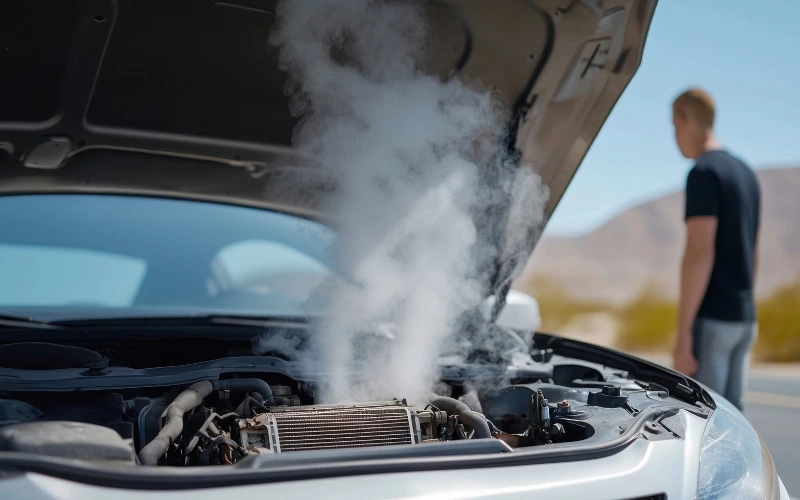
Imagine you’re driving down a quiet road and you suddenly hear a clunk. It can only be coming from your car, but what could be causing it? Cars communicate with sounds, and these are often early warning signs that something is wrong. Ignoring unusual noises from your car could lead to breakdowns, safety hazards or expensive repairs. But what do these different noises mean?
In this guide, we’ll talk about 7 common car noises, what they mean, and why you shouldn’t ignore them. Let’s get started.
1. Ticking, clicking or tapping from the engine
What you hear: You might hear ticking, tapping, or light clicking, especially when idling or during engine cold starts.
Possible causes: It can indicate low oil levels or pressure, causing insufficient lubrication. This can lead to issues with valves, lifters, or other valvetrain components.
Why act: Ongoing or inefficient lubrication issues can lead to engine wear, reduced component lifespan or serious engine damage.
What to do: Check your oil levels regularly and top up or change oil when needed. If the sound persists, get a mechanic to inspect it.
2. Clunking and heavy thuds
What it sounds like: If you’re driving over speed bumps or an uneven road with potholes, you may hear a heavy thud or clunking.
Possible causes: Clunking or heavy thuds can be caused by worn or damaged suspension components, like shock absorbers, struts or control arms, damaged ball joints, worn leaf-spring shackles, or issues with steering linkage.
Why act: These issues can affect vehicle stability and handling while you are driving, which is a safety concern because you have less control over your steering.
What to do: Take your car to a garage and get your suspension or steering checked. This can help to diagnose and resolve the issue, avoiding further damage.
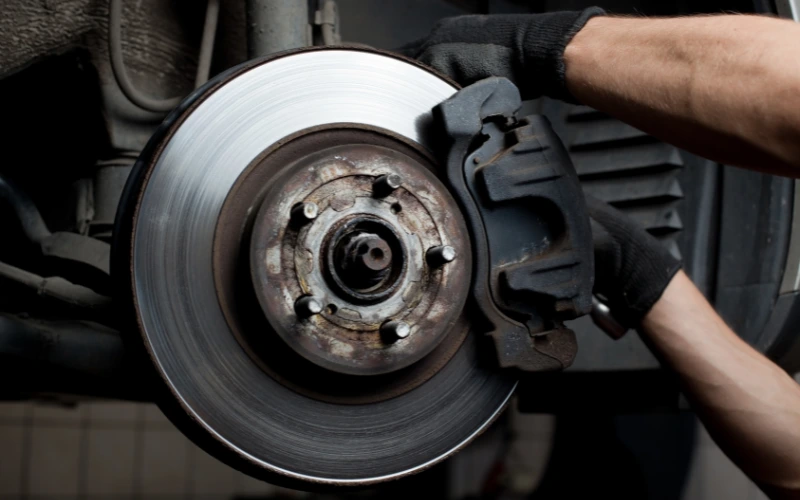
3. Grinding or screeching when braking
What it sounds like: When you apply the brakes, you may hear a sharp squealing or grinding sound, like metal on metal.
Possible causes: Screeching or grinding when you brake can be a sign of worn brake pads, worn brake discs, or debris between the pad and disc.
Why act: If your brake pads or discs are worn or damaged, your braking efficiency is compromised. This is a potential safety risk, and if left unresolved, it can lead to more expensive brake or rotor damage.
What to do: Inspect your brake pads to see if they are still at least 3mm thick and check the discs for scoring, pitting and deep grooves. If you notice damage, you should get them replaced straight away.
4. Rattling under the car
What you hear: You may hear a metallic rattle, or it could sound like a loose object beneath the car. This might be more noticeable at idle or low speeds.
Possible causes: Components of your exhaust may have come loose, the catalytic converter or heat shield could be damaged, parts under your car could be loose, or you could have a worn exhaust hanger.
Why act: If you have damage to the exhaust or leaks, it can impact emissions, performance or even safety while driving. This is also true of loose car parts, as they could fall off while driving.
What to do: Have your exhaust and the under-body of your car inspected, and be sure to tighten or replace components as needed.
5. Whining or screeching from the engine bay
What it sounds like: A high-pitched squeal or whine, usually when you first start the engine up or during acceleration.
Possible causes: You may have worn or loose serpentine/drive belts or failing belt-driven components like the alternator, water pump, power steering pump or belt tensioners.
Why act: Belt failure can lead to breakdowns, loss of power steering, overheating and even a dead battery, making your car unsafe or impossible to drive.
What to do: Inspect belts for wear or tension and replace them if they are cracked or slack. You should also check belt-driven components for damage or signs of wear and replace them accordingly.
6. Hissing or sizzling
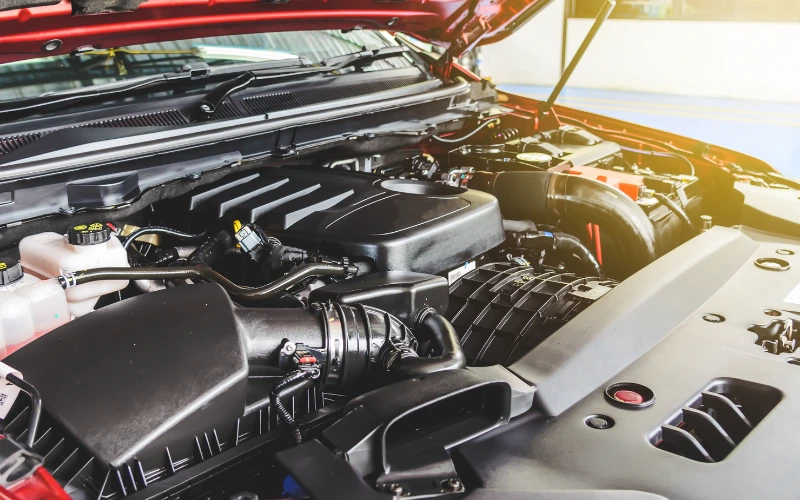
What you hear: Hissing or sizzling sounds coming from under the bonnet. This may occur while idling or when you have just turned the engine on.
Possible causes: Hissing or sizzling noises can be caused by leaking coolant hoses, vacuum leaks, cracked hoses or gaskets, overheating or potential coolant or steam leaks.
Why act: Leaks or overheating can cause serious engine damage and pose a safety risk, as overheating can be a fire hazard.
What to do: If your engine is overheating or you see steam, stop driving immediately. You should get your cooling system and hoses checked for signs of wear or damage and replace them accordingly.
7. Knocking or heavy metallic pinging from the engine
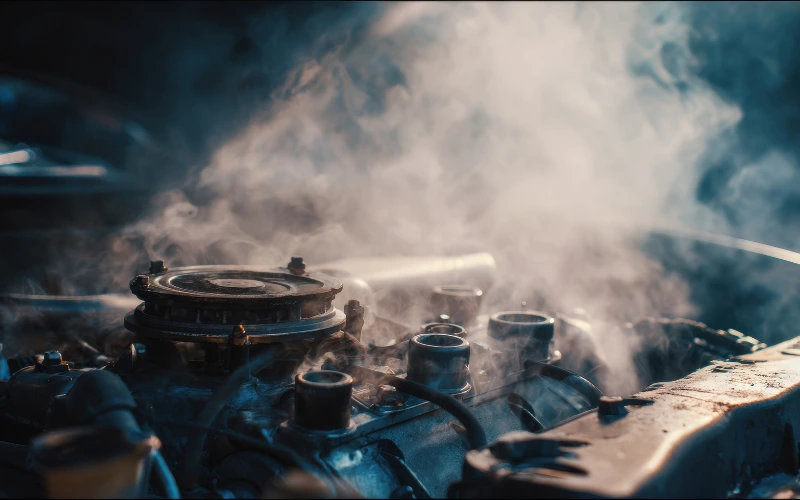
What you hear: Knocking, pinging or metallic “thumps” from the engine. This can happen during acceleration or with heavy loads.
Possible causes: Knocking or pinging from the engine is a sign of worn or failing bearings, connecting-rod issues or problems with combustion. It could also indicate piston-pin wear or lack of lubrication.
Why act: Worn bearings, connecting-rod issues, combustion problems, or piston wear can signal serious internal engine problems. Ignoring these early warning signs may lead to catastrophic engine failure.
What to do: Check your oil levels and component lubrication, and have a qualified mechanic diagnose the problem. Internal engine work will likely be needed.
When to call a mechanic
Any persistent noises that are not typical sounds from your car should be checked by a mechanic. This is especially important if it changes with acceleration, gets louder, happens when your car is heavily loaded, or the sound is metallic.
You can carry out simple checks and maintenance yourself, like oil and coolant levels, looking for visible loose parts and checking your tyre pressure. However, anything beyond your scope should be checked by a professional.
You should keep up with regular oil changes and have your belts, suspension and brakes checked during routine services to prevent noises from arising. Regular maintenance is essential for extending engine life. While it may seem like another expense, it is cheaper than replacing your vehicle and can save you money in the long run.
Preventative maintenance tips to keep your car quiet and healthy
Preventive maintenance can help you detect minor problems with your car and deal with them before they turn into expensive repairs. You should carry out regular maintenance checks on your car and investigate any unusual noises or warning lights if and when they come on. You should carry out the following:
- Regular oil and coolant checks
- Belt and hose inspections
- Suspension and underbody checks (after driving on rough roads or potholes)
- Brake pad and disc maintenance
- Prompt attention to early warning noises
For higher mileage vehicles, you should consider reducing service intervals by proactively maintaining your vehicle.
Don’t ignore the rattle
Unusual noises are your car’s way of communicating to you that something is wrong. It’s important to pay attention to the type of noise, where it is coming from and to inspect it as soon as possible. If there is nothing obvious that you can fix yourself, you should take your car to a mechanic to properly assess and repair the problem.
To avoid unusual car noises and costly repairs, preventative maintenance is key, as well as using high-quality lubricants and following your manufacturer’s recommended maintenance intervals.
Discover more car maintenance tips now.