


Lubricants reduce friction, prevent overheating, keep the engine clean, protect against corrosion, improve efficiency and seal critical gaps. If your lubricant health is poor, your vehicle health won’t be far behind. But lubricant health is about far more than simply meeting fluid change intervals.
From poor handling and contaminants to a sludgy appearance and strange noises, there are plenty of signs your lubricants are not in great condition. In this guide, we’ll talk through what lubricant failure is and how you can spot it before it becomes a costly problem.
What is lubricant failure?
Lubricant failure happens when a lubricant can’t perform its basic functions anymore because it has run out, degraded, or the wrong lubricant has been used. This is often because of contamination, degradation, or poor application. All of these can increase friction, wear and overheating, leading to mechanical failures that are costly to repair.
Degradation happens when the chemical make-up of the lubricant breaks down from overheating, contamination and oxidation. It can cause sludge to build up, additive depletion, increased friction and poor lubrication.
Contamination is caused by dirt, other lubricants or water mixing with the lubricant. It can lead to rust, corrosion, abrasion and damage to moving parts when the lubricating film has been disrupted.
Mechanical breakdown happens when the lubricant’s protective properties have been altered, usually due to mechanical forces within the engine. It can cause poor lubrication, metal-to-metal contact and component failure.
A lot of the time, you may not even realise a lubricant has degraded, become contaminated or is failing at all. Exposure to excessive heat, moisture in the air and additive depletion can all cause lubricants to fail, so you need to know how to recognise these failures before it’s too late.

Key signs of lubricant failure
Lubricant failure isn’t usually caused by a single dramatic event. Instead, it often happens quietly over time and without you noticing, until the warning signs begin to appear. So, if you are concerned about lubricant failure, look out for the following symptoms that something may be wrong.
Unusual engine/component noise
When lubricants fail, they can’t provide a sufficient protective film between moving parts. This can lead to knocking, squealing and whining sounds as components come into contact with each other.
Overheating
Lubricants should prevent friction between moving parts, as it can generate excess heat and lead to the engine overheating. However, failing lubricants lose their ability to dissipate heat, and excess heat can cause the lubricant to break down even faster. Your oil light and engine temperature warning light will likely alert you to the problem.
Discoloured or foamy oil
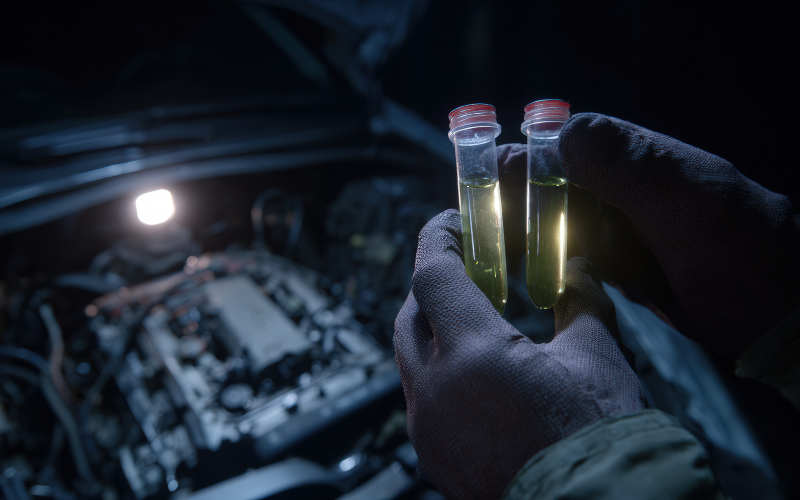
A failed lubricant will likely have a dark appearance or a sludgy or frothing texture. Water can turn oil a milky or cloudy colour, while trapped air can lead to foaming. You should check the appearance of your lubricants frequently so you can notice visible changes.
High operating temperatures/smoke
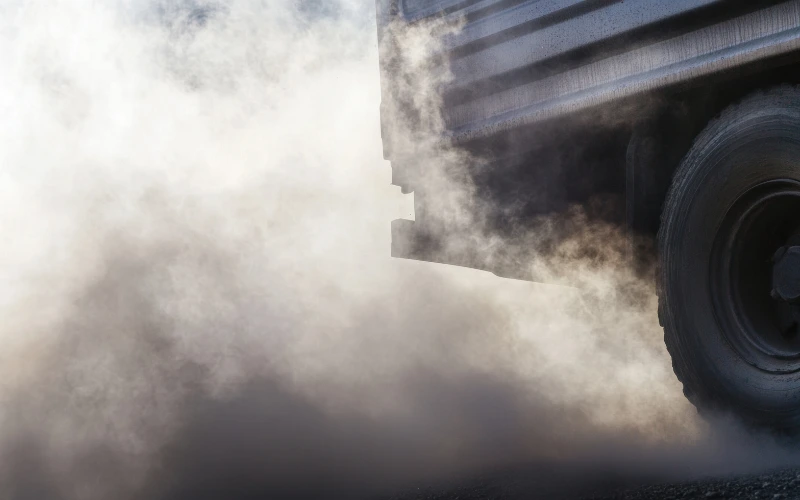
Poor lubrication can lead to excess friction and heat generation. If you notice blue or greyish smoke, this is a sign that there is oil burning in the combustion chamber, and you should seek help from a mechanic immediately.
Increased fuel consumption
When your lubricants fail, your engine is forced to work harder as there is increased friction between moving parts. Additionally, if oil deteriorates and becomes sludgy, the engine needs to work even harder to pump and circulate it, which can also increase fuel consumption.
Reduced performance in extreme conditions
In harsh environments and under heavy loads, lubricants struggle to maintain physical and chemical properties, particularly if the wrong lubricant has been used. This can impact the protective film, increasing friction, wear and leading to system failure. Fleets are particularly vulnerable due to challenging operating conditions.
Practical checks you can do
While lubricant failure can be catastrophic, there are plenty of simple checks you can do to assess and monitor the condition of your lubricants. This will help you spot failures early before they become costly problems.
Step-by-step diagnostics
How to check oil level & condition
Park on an even surface with the engine cool and turned off. Remove the dipstick, wipe it clean with a white cloth or tissue, then reinsert it. When you next remove it, you should see the oil level between the full and low marks. To assess the condition, look at the oil you have wiped on the white cloth. If the oil smells burnt, feels gritty between your fingers, or is dark or sludgy, it should be changed immediately.
When and how to sample for lab analysis
Using a clean sampling pot and a dedicated sampling port, take an oil sample when the engine is warm and running, or immediately after shutdown. Working with a lubrication partner, establish a sampling schedule to build a historical data set.
The role of routine inspections in fleets
Routine inspections act as preventative maintenance, so you can understand the baseline levels and any declines in lubricant and equipment condition. This can help to prevent breakdowns, extend vehicle life and improve operational efficiencies.
Tools & technology that help
Particularly for fleets with modern vehicles, there are a number of diagnostic tools and technologies you can integrate to assess lubricant condition. High-level monitoring can diagnose lubricant changes early, before they become huge failures.
Oil quality sensors & telematics
These can be integrated into fleet vehicles to monitor key metrics about oil quality and condition, and alert you to any changes.
On-site testing kits vs lab analysis
The right level of testing depends largely on your budget and the accuracy you want from lubricant testing.
On-site testing kits can provide immediate results, but they don’t test for a broad range of contaminants, and there is a larger margin of error, so results are less likely to be accurate.
In contrast, lab analysis is conducted in a controlled environment, with less room for error, and can perform a wider range of tests, offering more precise results.
Benefits of predictive maintenance platforms
With high levels of data, predictive maintenance platforms can estimate when failures will happen so you can make data-driven decisions and carry out maintenance sooner, rather than later. This can reduce unplanned downtime, extend equipment life, reduce maintenance costs and improve operational efficiency.
Preventing lubricant failure
As well as utilising modern technologies, there are some simple steps you can take to prevent failures from happening in the first place:
- Proper product selection: This includes using the right lubricant for the right component, checking you have the right engine oil grades, ensuring your lubricant meets the operating conditions and following your manufacturer’s recommendations.
- Right change intervals: Even if advanced condition monitoring is not in place, you should follow your manufacturer’s recommended change intervals. You should also consider the benefits of using synthetic vs conventional fluids, especially for modern vehicles.
- Environmental factors and duty cycles: Urban, highway and off-road operations will all have different environmental pressures. This will influence which lubricants are best suited to your needs and operating conditions.
Quick Tips:
✅ Store lubricants properly
✅ Train drivers/technicians on simple lubricant checks
✅ Track maintenance digitally
✅ Keep different lubricant types clearly labelled to avoid cross-contamination
Early detection is your best protection
Spotting lubrication issues early can prevent catastrophic failures. However, by using the right high-quality lubricants, utilising modern technology and implementing a preventive maintenance programme, you can minimise the risk of lubricant failures and make the right changes before things start to go wrong.
Support your vehicle by learning how to properly store lubricants and prevent failures.
Rafe Britton is the founder of Lubrication Expert and a Certified Lubrication Specialist with a Bachelor’s in Aerospace Engineering. With over 15 years of experience in the mining, power generation and trucking industries, Rafe is an independent lubrication specialist helping businesses across the globe extend oil life, improve equipment reliability and optimise maintenance budgets.