




Key summary
- Reduced acceleration, poor fuel economy, unusual noises, and warning lights all point to issues worth investigating early.
- Regular inspections, timely filter and fluid changes, and the right lubricants keep trucks running efficiently.
- If issues continue after basic checks, get professional support promptly to avoid more expensive repairs.
3 key facts/stats
- Air filters should be inspected every 6 months or 3,000–6,000 miles.
- Fuel filters typically need changing every 10,000–25,000 miles.
- Advanced lubricants can help improve fuel efficiency and extend drain intervals.
Is your truck lacking power, slow to accelerate or less responsive than normal? If it’s suddenly feeling more sluggish than usual, it’s probably trying to tell you something. Sluggish performance can impact fuel economy, compromise safety, delay delivery schedules, and increase operating costs. But why does it happen?
In this guide, we’ll help you identify common causes of sluggish performance so you can address them before minor issues become major repairs. Let’s begin.
What does a "sluggish" truck feel like?
If your truck is typically responsive but feels much more laboured than usual, you may notice that it is much slower when you accelerate, amongst other things. You may experience one or more of the following if your truck is feeling sluggish.
- Difficulty accelerating: When you press the accelerator, there might be a noticeable delay before the truck actually moves. It may also feel like you’re pressing the pedal harder than normal to reach standard speeds.
- Reduced pulling power: Your accelerator pedal may feel mushy or spongy when you press it, and it might take longer to gain speed. This may be more noticeable under heavy loads.
- Poor fuel economy: Your engine might be burning more fuel than normal, but generating less power, so your MPG may have decreased despite driving on your ‘normal’ routes.
- Increased engine strain on hills: When driving uphill, your accelerator may feel heavier and less responsive. Your truck may groan, rumble, or feel hesitant as it fails to increase speed.
- Dashboard warning lights or unusual noises: Any engine lights are a warning that something isn’t right with the engine, and when accompanied by unusual noises or a sluggish engine, it needs investigating as soon as possible.
By recognising early symptoms of sluggishness, you can reduce unplanned downtime and repair costs by getting issues investigated before it’s too late.

Common causes of truck sluggishness
There are a number of reasons why your truck might feel sluggish that often involve a failing turbocharger, airflow problems, or problems within the fuel system. We’ll explore each of the common causes in more detail below.
Dirty or clogged air filters
Dirty or clogged filters restrict airflow, which can lead to reduced horsepower and turbocharger efficiency. This can make your truck feel slow and unresponsive when you use the accelerator. Common signs of dirty or clogged air filters include:
- Reduced acceleration
- Increased fuel consumption
- Black exhaust smoke
Practical fix:
The most effective way to fix, or prevent dirty and clogged air filters include regular maintenance and replacing components when they are no longer fit for purpose. This includes:
- Routine filter inspections every 6 months or 3,000-6,000 miles
- Replace filters according to manufacturer guidance and operating conditions, usually every 6,000 miles for demanding operating conditions
Fuel system problems
If your engine is starved of fuel, the system is probably not delivering the amount needed for combustion. This can lead to hesitation during acceleration, misfires or reduced engine power. Common causes of fuel system problems include:
- Dirty fuel filters
- Injector deposits
- Contaminated fuel
- Weak fuel pumps
Practical fix:
Keeping on top of regular maintenance and inspections can reduce the likelihood of fuel system problems occurring. Regular maintenance should include:
- Scheduled fuel filter changes every 10,000-25,000 miles
- Fuel system cleaning, where appropriate
- Using quality fuels and following maintenance schedules
Engine oil and lubrication issues
Using the right lubricant is essential for performance as they are enhanced with specific additives for specific systems and operating conditions. If you use degraded or incorrect oil, the engine is not properly protected, so there may be friction between moving parts and engine strain.
Practical fix:
- Follow OEM recommendations for oil specifications to ensure you’re using the right oil for your engine and operating conditions
- Maintain regular oil change intervals
- Use high-quality lubricants designed for commercial vehicles
Advanced lubricants are enhanced with performance additives that help maintain efficiency and protect components under demanding operating conditions. They can significantly reduce wear, extend drain intervals, improve fuel efficiency, and protect modern emissions.
Exhaust and emissions system restrictions
If you’re experiencing exhaust and emission system restrictions, it could be down to reduced power output, increased fuel consumption or limp mode activation. This is usually caused by excess back pressure and restricted airflow. If untreated, it can cause the following issues:
- Diesel Particulate Filter (DPF) blockage
- Exhaust restrictions
- Problems with emissions components
Practical fix:
- When warning lights appear, get them investigated as soon as possible
- Don’t ignore regeneration requirements
- Proactively maintain emissions systems
Turbocharger problems
Turbochargers force additional compressed air into the engine so it can burn more fuel and increase the truck's horsepower and pulling power. However, when it is not working effectively, you might experience whining noises, excess smoke or a lack of power boost when accelerating.
Practical fix:
- Regular inspections to identify potential problems
- Address oil supply issues promptly
- Preventative maintenance to identify minor issues before they turn into bigger, more expensive problems
Transmission and drivetrain issues
If you’re experiencing delayed gear changes, slipping or reduced responsiveness while driving your truck, it could indicate an issue with the transmission or drivetrain. This may be caused by worn transmission components, worn clutch or driveline inefficiencies.
Practical fix:
- Regular inspections of components to identify early signs of wear
- Properly maintaining fluids, ensuring they’re topped up and changed at the recommended intervals
- Repairing minor or emerging faults promptly before they become larger issues
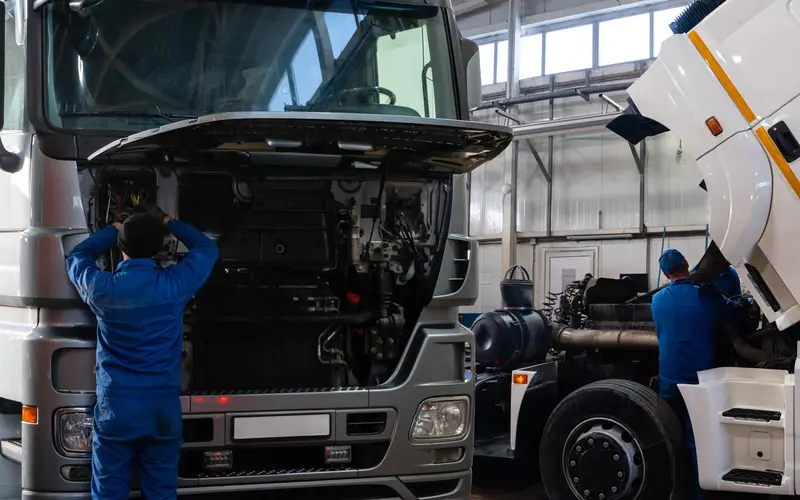
Preventative maintenance: The best defence against sluggish performance
Proactive maintenance reduces downtime, improves vehicle reliability, and supports lower operating costs. Fleet optimisation increasingly relies on preventative strategies and proper fluid management to extend drain intervals, vehicle life and identify potential issues early on before they become bigger, more costly problems.
It’s true that prevention is better than cure, so both drivers and fleet managers can take a proactive approach towards truck maintenance.
Tips for drivers:
- Conduct daily walkaround checks
- Report changes in vehicle behaviour immediately
- Monitor warning lights
- Listen out for any new or unusual sounds
Tips for fleet managers:
- Implement preventative maintenance schedules
- Track recurring performance issues
- Implement regular fluid analysis
- Use maintenance data to identify trends
When to seek professional support
If your truck continues to feel sluggish after basic checks or dashboard warning lights appear, it's time to seek professional support. Modern commercial vehicles rely on complex systems that often require specialist diagnostic equipment to identify faults accurately.
Ignoring persistent performance issues can lead to more serious damage, increased downtime, and higher repair costs. Whether you're a driver noticing reduced power or a fleet manager monitoring vehicle performance, addressing problems early is the best way to keep trucks running efficiently and reliably.
Keep your truck performing at its best
Identifying the cause of sluggish performance early can help keep your trucks running efficiently, reduce downtime, and avoid costly repairs.
- Pay attention to warning signs such as reduced acceleration, unusual noises, increased fuel consumption, or dashboard warning lights.
- Carry out routine maintenance checks and follow recommended service intervals.
- Use the correct lubricants and fluids specified for your vehicle to support reliable performance.
- Encourage drivers to report changes in vehicle behaviour promptly so issues can be addressed before they worsen.
- Seek professional support if performance problems persist, as early intervention can prevent more extensive damage.
For more practical vehicle maintenance advice and fleet care tips, explore our other helpful blog posts.