

Key summary about car fluid symbols
- Fluid symbols matter: Brake fluid, engine oil, washer fluid and coolant each have their own dashboard symbol, helping you spot problems early.
- Check regularly and safely: Check oil and coolant monthly, top up washer fluid as needed, and always let the engine cool before lifting the bonnet.
- Don't ignore warnings: Low fluid levels can cause anything from spongy brakes to overheating, so warning lights should never be ignored.

Let the engine cool for at least 10 minutes before checking oil with the dipstick.

Check engine oil and coolant monthly. Top up washer fluid whenever it's low.

Never mix different coloured coolants; they can form a gel or sludge.
Not quite sure what car fluid symbols mean or how urgent a warning might be?
Knowing what each reservoir under your bonnet is for can help you spot potential problems before they become expensive repairs. Whether you're checking your oil before a long journey or topping up your coolant, recognising these symbols makes routine vehicle maintenance much easier.
From brake fluid and engine oil to coolant and washer fluid, we’ll guide you through the purpose of each fluid and why it’s crucial for your car’s health. We'll also show you how to locate these components under your car’s bonnet.
Before opening the bonnet
Before lifting the bonnet of your car to locate fluid, follow these simple tips to ensure your safety and avoid engine damage:
- Park on level ground so fluid levels can be checked accurately.
- Switch off the engine and remove the keys before opening the bonnet.
- Allow the engine to cool, especially if you've been driving recently, because components under the bonnet can become extremely hot.
- Never remove the coolant reservoir cap while the engine is hot, as the system is pressurised and hot coolant or steam can escape, causing serious burns.
- Wear gloves if needed to protect your hands from dirt, heat and sharp edges around the engine bay.
- Keep a clean cloth handy to wipe dipsticks before checking oil levels and to clean up any small spills.
Taking a few moments to prepare can help you inspect your vehicle safely and ensure you get accurate fluid level readings.
Car fluid symbols and what they mean
Every fluid symbol looks different, and you must understand what they all mean so you can locate, check and top up the right fluid in the right reservoir.

Brake fluid
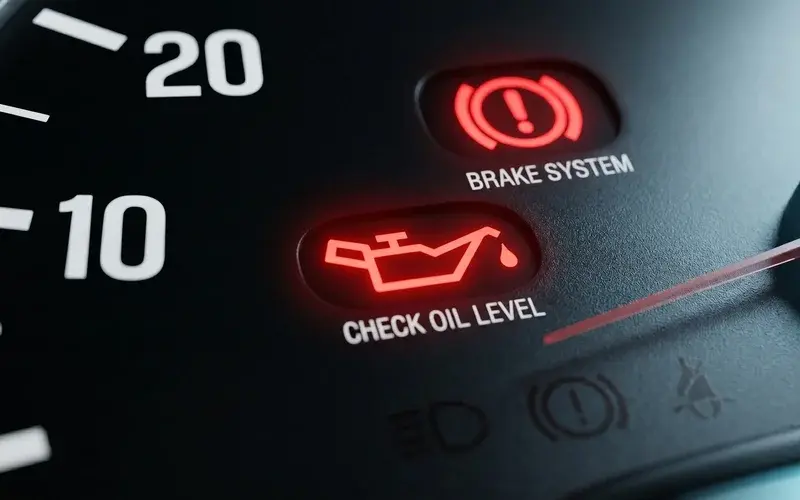
The brake fluid symbol looks like an exclamation mark within a circle, in between two brackets. If it comes on, it usually means you have low brake fluid, or there is a severe problem within the braking system.
Why brake fluid is essential
Brake fluid is crucial for transferring force from your foot on the brake pedal through to the brake pad so you can slow your vehicle down safely.
Symptoms of low brake fluid
If your car has low brake fluid, you’ll likely experience at least one of the following symptoms:
- Dashboard warning light appearing
- Brake pedal being spongy to push
- Pedal sinking to the floor
- Longer stopping distance
- Visible leak under the car
- Paint stripped in the engine bay
How to check the brake fluid level safely
Checking your brake fluid is easy by following these simple steps:
- Park your vehicle on level ground
- Lift the bonnet of the car
- Locate the brake fluid reservoir (this is usually translucent and located towards the back of the engine bay)
- Find the MIN and MAX markings on the reservoir. The fluid level should sit between these markings
Engine oil
The engine oil warning light looks like an old-fashioned oil can and sometimes has a drip coming out of the spout. If this warning light comes on, it usually means your engine oil level is low.
Why engine oil is essential
Engine oil lubricates moving parts within the engine, preventing friction caused by metal-on-metal contact. It can also prevent the engine from overheating and transfers debris to the filter so it does not clog the engine.
Symptoms of low engine oil
If your car has low engine oil, you’ll likely experience at least one of the following:
- The engine oil warning light will come on
- You may hear metallic knocking or ticking sounds
- There may be a smell of burning oil
- The engine could start to overheat
- Acceleration is poor
How to check the engine oil level safely
- Park your car on a level surface
- Let the engine cool for at least 10 minutes
- Lift the bonnet of the car
- Locate the engine oil dipstick and remove it
- Wipe away the excess oil on a dirty cloth or tissue
- Put the dipstick back into the tube, then withdraw it again
- Look at where the oil level sits on the dipstick. It should be between the MIN and MAX markings
- If the oil level is low, it needs to be topped up
Learn more about when to check your engine oil levels.
Windscreen washer fluid
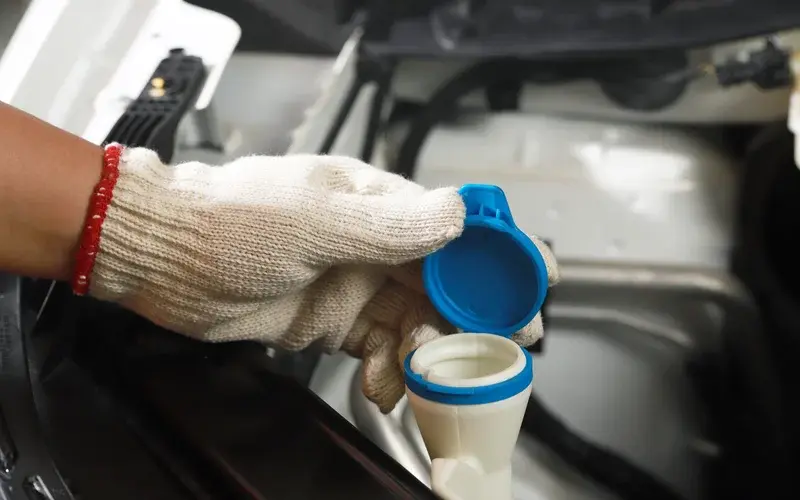
The windscreen washer fluid symbol looks like the outline of a car windscreen with a curved top and bottom edge and a dotted line of fluid spraying up through the middle. If your windscreen washer fluid comes on, then your fluid is probably low.
Why windscreen washer fluid is essential
It’s essential that drivers have a clean, clear view of the road when they’re driving. Windscreen washer fluid contains detergents that help to clean dirt and debris from your windscreen and keep your front and rear windows clean.
Symptoms of low windscreen washer
If your car has low windscreen washer fluid, you will likely experience at least one of the following symptoms:
- The dashboard warning light will come on
- There will be no windscreen fluid when you try to spray it
- The pump will make a whirring sound when you try to spray washer fluid
How to check windscreen washer levels safely
- Park on a level surface
- Turn off the engine and wait for it to cool
- Locate the windscreen washer reservoir (the symbol on the cap will be the same as the symbol on the dashboard)
- Visually inspect the levels or use the dipstick to check if there is one
Engine coolant
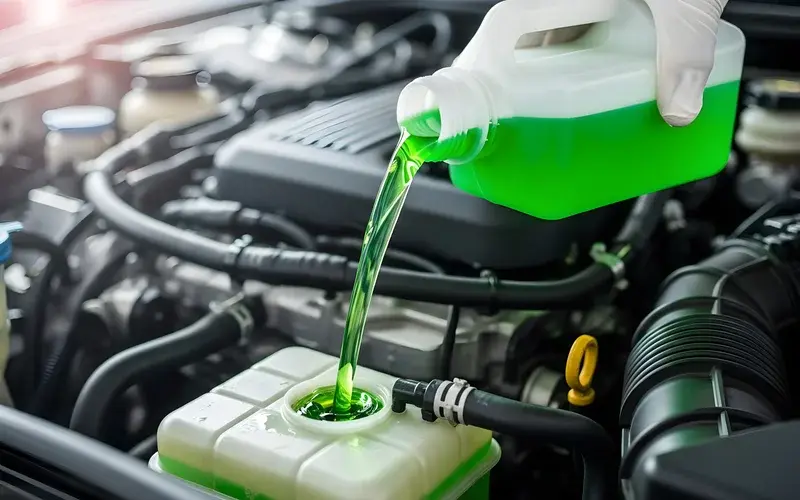
The engine coolant symbol usually looks like a thermometer sat above water or a small radiator with wavy lines beneath it. If the coolant warning light comes on, it usually means your engine is overheating or that the coolant levels are extremely low.
Why coolant is essential
Coolant prevents your engine from overheating by absorbing the excess heat caused by combustion. It keeps your engine at a normal operating temperature and stops it from seizing under extreme temperatures.
Symptoms of low coolant
If your coolant levels are low, you’ll likely experience at least one of the following symptoms:
- The coolant warning light will come on
- The temperature gauge rises rapidly
- You can smell something sweet and syrupy when you lift the bonnet
- Your heater inside the car is blowing cool air
How to check coolant levels safely
- Park your vehicle on level ground
- Wait until the engine has cooled, then lift the bonnet
- Locate the engine coolant reservoir; it is usually translucent with the coolant symbol on top
- Look at the side of the tank and see where the fluid line falls between the MIN and MAX markings on the reservoir
If your coolant level is low, learn how to top it up here.
Tip: Although these symbols are widely used, reservoir locations vary between manufacturers and models. Always refer to your owner's handbook if you're unsure.
How often should you check and top up fluid levels?
Every vehicle is different and how often you need to check and top up fluids will depend largely on your driving style, operating conditions, the vehicle and your manufacturer’s recommendations. However, as a general rule of thumb, here is some basic guidance on when you should check and top up fluids.
As a minimum, your monthly maintenance checklist should include the following:
Monthly car fluid checklist
✓ Check engine oil
✓ Check coolant
✓ Check brake fluid level
✓ Top up washer fluid
✓ Look for leaks under the vehicle
✓ Check dashboard warning lights
Frequently asked questions
You should check the following fluids every month, as a minimum:
- Engine oil
- Coolant
- Windscreen washer fluid
You should also monitor your brake fluid, powered steering fluid and transmission fluid every few months.
No, different coloured coolants should not be mixed. That’s because they have different chemical formulas which can form a thick gel or sludge when mixed.
Don't let a warning light catch you off guard
Understanding your car's fluid symbols is one of the simplest ways to stay ahead of costly repairs and avoid being stranded at the roadside. A few minutes under the bonnet each month can make all the difference between a quick top-up and a serious mechanical fault.
Key takeaways:
- Learn to recognise the brake fluid, engine oil, coolant and washer fluid symbols so you know exactly what each warning light means.
- Always park on level ground and let the engine cool before lifting the bonnet to get accurate readings and avoid injury.
- Check engine oil and coolant monthly, and top up washer fluid whenever it runs low.
- Never ignore a coolant or brake fluid warning; pull over safely and seek professional advice if you're unsure.
By building fluid checks into your regular maintenance routine, you can catch problems early and keep your car running safely and reliably for longer.
For more vehicle maintenance advice and expert insights, explore our other helpful blog posts.
Explore our car fluids
Sources for further reading
Dashboard warning lights: what they mean & what to do, RAC
How to check car fluid levels, Halfords
Car Fluids: How to Do Your Own Top Ups, Novus Glass