



Hydraulic systems are critical to productivity in heavy industries like mining or construction. Many machinery breakdowns are triggered by hydraulic power losses and drive system failure, and small changes in your hydraulic fluid’s chemistry can lead to huge operational costs. That’s why maintaining your hydraulic systems with regular maintenance and analysis of hydraulic oil is crucial.
By shifting your mindset and maintenance practices from a reactive to a proactive approach, you can effectively assess the condition of your hydraulic fluid and take preventive measures to identify problems before they become costly issues.
In this guide, we’ll discuss why regular hydraulic fluid testing is an essential component of reducing unplanned downtime and equipment repairs.
What regular hydraulic oil analysis reveals
Hydraulicoil analysis monitors the condition of your fluid and can detect early signs of degradation or changes that may impact performance. Fluid analysis can also reveal machinery health and indicate whether there is any wear on system components. It can also reveal the following:
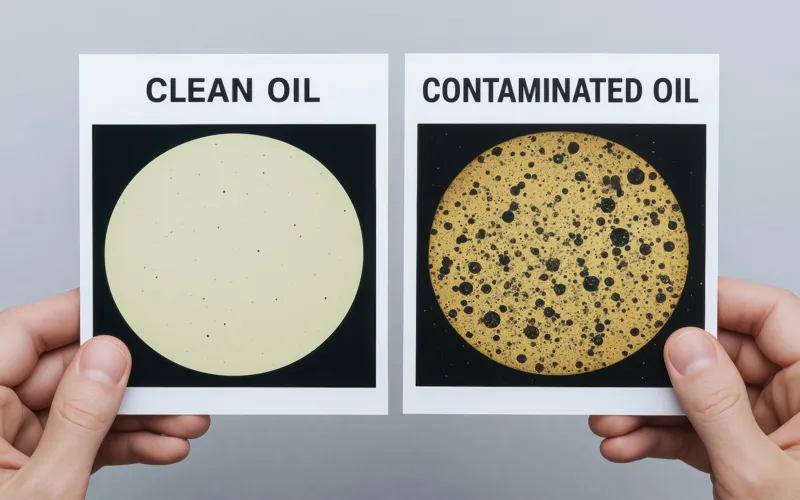
- Contaminantsin your hydraulic fluid, such aswater, dirt, metals, coolant or fuel
- Oxidation and thermal degradation through tests like Fourier-transform infrared spectroscopy (FTIR), which can monitor oil breakdown
- Viscosity changes indicate the oil’s resistance to flow and may be a sign of contamination, oxidation or incorrect fluid use
- Additive depletion,like anti-wear, anti-foaming and anti-corrosion agents that can deteriorate over time
- Total acid number (TAN) changes, like an increased concentration of acid in the oil, can indicate oxidation and cause sludge buildup and corrosion
- Increased particle count (ISO Cleanliness Code) may indicate the size and quantity of dirt, dust and wear debris present in the fluid
- Water content in the fluid can lead to accelerated corrosion, reduced lubrication and oxidation
By regularly monitoring the condition of your hydraulic fluid, you can detect changes early and replace the fluid if needed, before component wear begins to set in.
The benefits of scheduled fluid testing
Fluid contamination is even more prevalent in the mining, construction, agriculture and forestry industries as equipment is more exposed to dust, debris and water. That’s why regular fluid testing is even more important to monitor the condition of your hydraulic oil. This brings a whole host of benefits, which can ultimately reduce unplanned downtime and costly repairs.
| Benefit | Why it helps |
| Early fault detection | Early detection allows you to identify wear, contaminants or chemical breakdowns before system failures occur |
| Performance monitoring | Through regular testing, you can track the fluid condition across its service life, noticing smaller changes much sooner |
| Smarter maintenance planning | With smarter preventive maintenance, you can replace hydraulic fluid based on the condition, not calendar hours |
| Cost savings | By detecting changes and issues sooner, you can reduce unplanned downtime and extend equipment and fluid life |
Regular fluid testing can help your operations to remain efficient while minimising disruption and contamination-related failures. By identifying potential problems early on, you can take corrective action and prevent equipment failures from happening.
Why hydraulic fluid testing matters more in harsh environments
The risk of fluid contamination is higher inharsh environments like mines, quarries, construction sites and forests. Not only is dirt and debris more prevalent, but heavy equipment is put under extreme pressure, so high-load and high-temperature systems can exacerbate fluid issues and accelerate wear. These pressures can vary depending on whether you are operating a static or high-cycle system, but regular testing is important regardless.
Static systems
Static systems, like hydraulic lifts and jacks, are completely reliant on the fluid’s ability to maintain a high pressure with minimal fluid movement to transmit any force. This makes fluid leaks and degradation even more detrimental toperformance and safety, so it is essential that issues are detected early to avoid catastrophic failures.
High-cycle systems
Meanwhile, high-cycle systems like excavators and haul trucks operate frequently, which can cause fluid to degrade faster, as well as increasing the risk of component wear and detrimental failures. This is due to demanding operating environments and more intense stress cycles that can accelerate wear and fluid degradation, so regular testing can prevent premature wear.
How Gulf Care supports reliable maintenance decisions
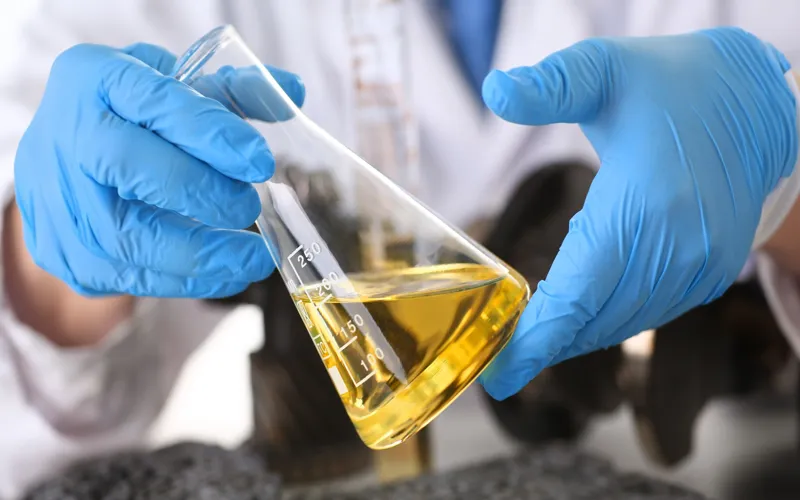
An experienced lubrication partner, like Gulf Oil, can recommendthe right high-performance hydraulic fluid, as well as implement a preventive maintenance and fluid analysis programme. Gulf Care, our lubrication analysis service, is tailored to your business needs and offers sophisticated hydraulic fluid testing, periodic monitoring and reporting of your hydraulic fluid condition.
You’ll receive lab reports about your hydraulic fluid, indications of immediate concerns or changes in the fluid’s condition and expert advice and analysis surrounding the best course of action to maintain and care for your equipment. By following a data-led maintenance program, you can eliminate the guesswork surrounding fluid and equipment conditions and significantly reduce the chance of unplanned downtime.
Practical steps for setting up a testing schedule
The frequency for testing your hydraulic fluid will depend on a number of factors, including operating hours, duty cycle, operating environment and the manufacturer’s recommendations. This is usually around 500 operating hours or quarterly for heavy-duty machinery, but you can carry out monthly testing to stay on top of your hydraulic fluid’s condition if you choose to.
For accurate results, you should follow sampling best practices. This involves taking samples from a clean draw point, using the correct sampling bottle, free from contaminants, and ensuring the system is at the correct temperature for testing. By managing the testing conditions, you can ensure the most accurate results.
Once you have collected your sample, it should be sent to the lab indicated in your preventive maintenance plan, where lab experts will analyse it. They will interpret the result and share the analysis, as well as notifying you of any immediate concerns and how to act upon them.
Test today, plan for tomorrow
Regular hydraulic oil sample analysis can enhance reliability, improve equipment lifespan and give you better control overmaintenance costs when you take a preventive, rather than reactive approach. By taking fluid samples correctly and working with a trusted lubrication maintenance partner, like Gulf Care, you can detect issues early and avoid unplanned downtime and costly repairs.
Discover more about ourindustrial lubricants now.