



Types of EV Charging & the Speed of Charges
01 Nov 2025
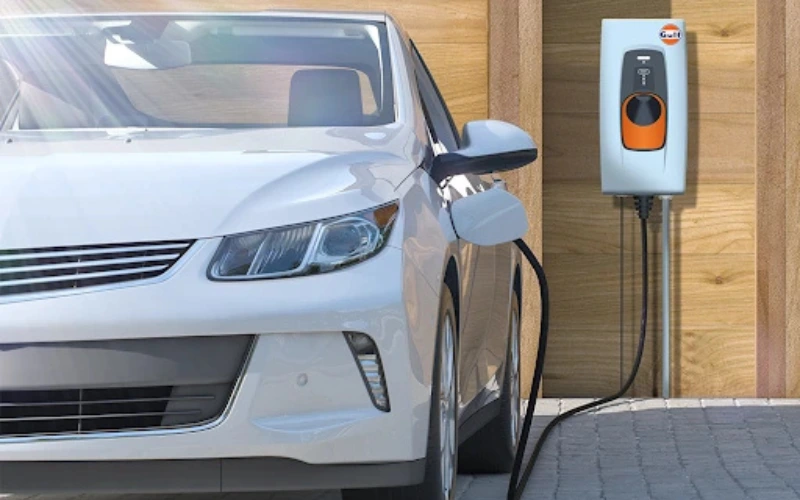
As electric vehicles (EVs) gain popularity globally, more drivers are switching to electric. In fact, in 2024 alone, 1-in-5 (22%)of all new cars sold were electric. A key part of this transition is understanding how to charge an EV efficiently, based on your location, lifestyle, and available infrastructure.
With various charging methods, different connector types, maintenance requirements and technical jargon, it can feel overwhelming, but this blog will help you make informed choices.
EV charging levels explained
EV charging is generally classified into three levels: Level 1, Level 2, and Level 3. Each level offers different charging speeds and is suitable for different situations and different price points.
Level 1 EV charging
Level 1 charging involves plugging your EV into a standard household power socket (not a dedicated home EV charging point) or a slow public charger.
- Charging speed: Adds 4-11km (2–7 miles) of range per hour.
- Suitability: Ideal for emergencies or areas with no dedicated chargers.
- Limitations: Often too slow for daily use and may not fully charge your EV overnight. Safety precautions are also necessary. For example, avoid using extension leads, as this can lead to overheating.
Most EV drivers prefer the faster and more reliable Levels 2 and 3. However, Level 1 charging is most practical in regions where dedicated charging infrastructure is still developing.
Level 2 EV charging
Level 2 chargers are the most common type for home use and are also widely available in many countries at workplaces and public locations.
- Charging speed: Adds 16-120km (10-75 miles) of range per hour.
- Suitability: Ideal for daily charging at home, work, or public locations.
Level 2 chargers are very popular because they balance speed and affordability. For home use, professional installation is often needed.
Level 3 EV charging (DC Fast Charging)
Level 3 chargers, also known as Rapid EV charging or DC fast chargers, provide the quickest EV charging speeds. Found mainly at public charging stations, EV fast chargers deliver up to 500 kW of power, depending on the setup.
- Charging speed: Adds 120–1400 km (75–870 miles) of range in under an hour.
- Suitability: Perfect for long journeys or when you need a rapid top-up.
- Considerations: Frequent use of Level 3 charging can shorten your EV battery’s lifespan, so is best reserved for occasional use.
Charging at home

Charging your car at home
For EV owners with off-street parking, charging at home is often the most convenient option.
Installing a home EV charger
Installing a Level 2 home EV charging point allows you to charge your EV overnight, take advantage of off-peak electricity rates (where available), and save time compared to public charging.
Renting out your charger
In some regions, apps allow homeowners to rent out their EV chargers when not in use, providing extra income and helping others access charging.
Home charging without a driveway
If you don’t have off-street parking, consider shared charging facilities, on-street chargers, or nearby public charging networks.
Public EV charging networks
The public charging network is essential for drivers without home charging options or those travelling long distances. Availability varies by region:
Motorway and highway charging
- Europe: Networks like Ionity offer high-speed Level 3 chargers along major routes.
- North America: Tesla Superchargers and Electrify America provide fast-charging options for road trips.
- Asia:India is introducing its rapid EV network with Tirex chargers
Destination EV charging
Retail centres, hotels, restaurants, and attractions increasingly provide Level 2 chargers, allowing you to charge while shopping, dining, or enjoying leisure activities.
Public car park charging
Urban car parks, hospitals, libraries and transit hubs often include Level 1 or Level 2 chargers for visitors.
Workplace charging
More employers globally are recognising the benefits of providing EV charging facilities for employees and fleet vehicles.
Benefits:
- Reduced fleet fuel costs.
- Support for employees or visitors with EVs.
- Additional revenue through public access to EV chargers.
Government incentives often help subsidise the installation of workplace chargers, making them an attractive option for businesses.
Conclusion
With EV ownership on the rise, charging infrastructure is evolving to meet the growing demand. Whether charging at home, at work, or on the go, there are now more ways to keep your EV powered and ready to drive.
By understanding your options, you can find the best charging solution for your needs, making the transition to electric driving as smooth and convenient as possible.
Discover more about home car charging