


How to Choose the Right Engine Oil in 3 Steps
22 Jan 2026
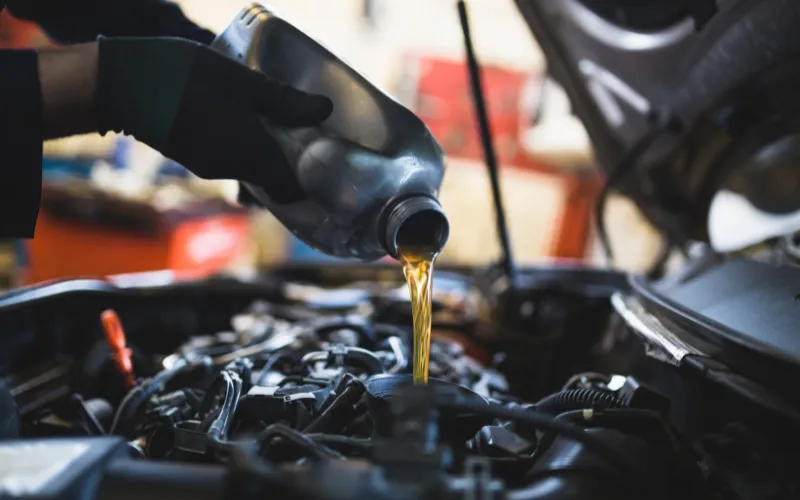
Whether you are driving a car or managing a fleet of heavy-duty vehicles, engines depend on precise lubrication for protection and performance. Using the wrong engine oil can dramatically shorten engine life, reduce efficiency and increase the risk of serious damage. However, minimising this risk is easy when you use the right engine oil, and choosing the right one is simpler than you may think.
In the following blog, we will guide you through 3 simple steps to choosing the right engine oil for performance and longevity.
Step 1: Start with the manufacturer’s specification
Whether you are choosing engine oil for your own car or a fleet of vehicles or machines you manage, you should always start by referring to the manufacturer’s specifications. By referring to your car’s handbook or the fleet’s service manual, you can check the OEM requirements to find out the recommended engine oil before purchasing.
Check the viscosity
Viscosity describes how easily oil flows, in simple terms, how thick or thin it is. Oil becomes thinner when hot and thicker when cold, so temperature plays a big role in how it performs.
You’ll often see viscosity expressed as a grade like 5W-30. The first number (before the “W”, which stands for winter) shows how the oil flows at low temperatures, while the second number shows how it behaves once the engine is warm.
In colder climates, a lower first number helps the oil circulate quickly at startup. In hotter conditions, a higher second number helps maintain a protective film at operating temperature. Choosing the right grade ensures your engine stays protected in the environment you drive in.
Make sure your chosen oil adheres to industry standards
The oil you choose should meet or exceed the required performance for your engine’s design. This can prevent voiding warranties, reducing efficiency and accelerating wear if your oil doesn’t meet the right specifications. You should look for product specifications like:
- API (American Petroleum Institute)
- ACEA (European Automobile Manufacturers’ Association)
- ILSAC (International Lubricant Specification Advisory Committee)
- OEM approvals for specific manufacturers (e.g., Cummins, Caterpillar, Volvo, Mercedes-Benz).
Using oils that meet or exceed OEM approvals helps maintain warranty compliance and ensures engines perform as designed.
Step 2: Match oil to your operating conditions and workload
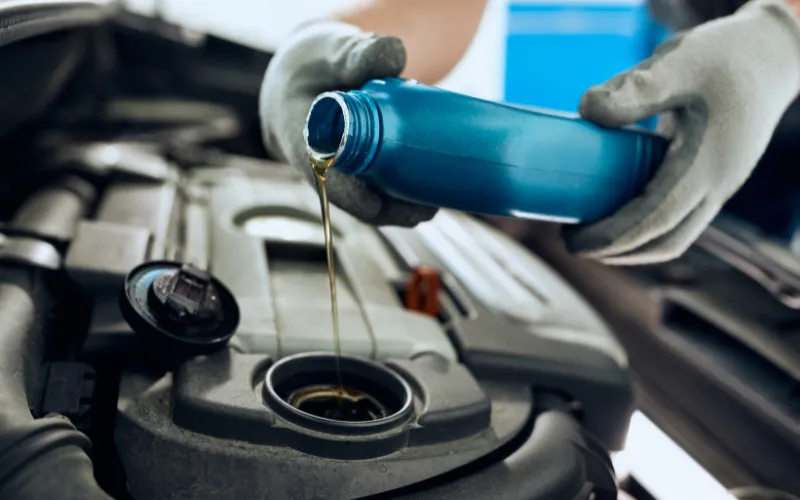
In addition to the right viscosity for the climate your vehicle is operating in, you also need to consider the operating conditions and workload of your vehicle. This can vary massively between city driving, dusty environments, continuous operation and the age of the engine. So, matching the right oil to your needs is essential.
Choosing the right oil for your car
Your driving patterns, climate, and vehicle age can influence the oil that performs best in your car, so consider the following:
- Short city trips or stop-start driving: Look for oils designed to handle heat buildup and sludge protection.
- Highway driving or long commutes: Synthetic oils typically deliver better fuel economy and longer drain intervals than conventional oils.
- Hot or cold climates: Choose a viscosity grade suitable for your temperature range.
- Older generation vehicles: Slightly thicker oils or high-mileage formulations may protect worn seals.
Choose oil for commercial and industrial fleets
Engines in mining, construction, agriculture, or transport fleets endure tougher conditions, so you should consider the following:
- Heavy loads & continuous operation: Oils with higher oxidation stability and robust anti-wear additives help resist breakdown.
- Dusty or wet environments: Detergent and dispersant-rich oils protect against deposits and corrosion.
- Extended service intervals: Choose oils engineered for long-drain performance and supported by oil analysis programs.
- Fuel type and emission systems: Ensure compatibility with low-SAPS (low ash) formulations if your engines use after-treatment systems like DPFs or SCR.
Operating in extreme conditions
Severe conditions like dusty quarries, hot underground mines and stop-start operation demand stronger oil performance, so heavy-duty lubricants are essential. Gulf's advanced heavy-duty engine oil is formulated for extended drain intervals in harsh off-road environments, giving your equipment the protection it needs and reducing unplanned downtime.

Step 3: Choose the right oil type and a brand you can trust
As well as viscosity and operating conditions, you also need to consider the type of oil for your vehicle. These include mineral, semi-synthetic and fully synthetic oil, with or without additives.
Mineral oil
Mineral oil is a conventional oil which is derived from crude oil and provides basic lubrication at a cheaper upfront cost. It is often better for older vehicles, but can have a shorter lifespan and increase fuel consumption.
Semi-synthetic
Semi-synthetic oil is a combination of mineral and synthetic oil, offering better protection and performance than mineral oil with extended drain intervals and improved viscosity. It is ideal for city driving and mixed fleet operations.
Full synthetic
Full Synthetic oil is chemically engineered to provide superior protection and performance compared to conventional mineral oils. It’s formulated with advanced base oils and additives that deliver excellent lubrication, cleaner operation, and longer drain intervals. Ideal for modern, high-performance engines and heavy-duty equipment.
Additive technology
Chemical compounds are added to the base oil to make the lubricant more effective and improve performance. Engine oil can contain the following additives:
- Anti-wear
- Soot control
- Corrosion inhibitors
- Temperature stabilisers
- Detergents
Gulf solutions
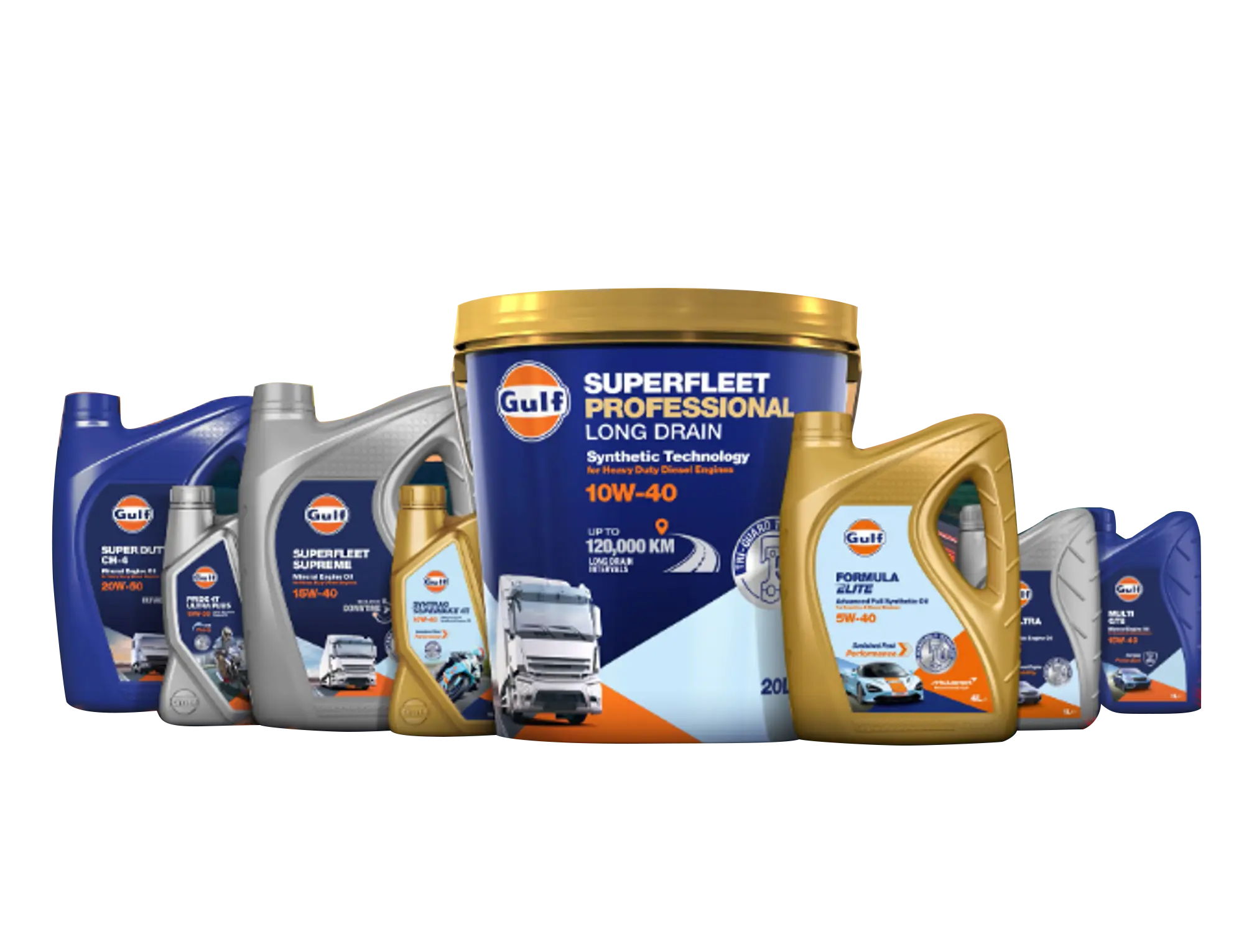
We have a range of car engine oils to improve performance and offer enhanced wear protection to keep your car moving every day. Our engine oil for fleets and off-highway vehicles is trusted by automotive and industrial operators worldwide thanks to our thorough testing, stress-reliability and renowned heritage.
Frequently asked questions about engine oil
Can I use the same oil across different cars and equipment?
You can use the same brand, but not necessarily the same formulation. Always check that the oil meets the correct viscosity grade and OEM specification for each engine.
Is thicker oil better for older vehicles?
Thicker oil can help older engines by maintaining oil pressure and reducing the likelihood of oil burning in engines with worn components.
How does synthetic oil affect long-term costs for fleets?
Although more expensive up front, synthetic oil contains additives that can provide enhanced engine protection, extend maintenance intervals and improve longevity.
Can I mix different types of engine oil?
No, you should not mix different types of engine oil. This can alter the viscosity of the oil and the protective additives, reducing lubrication and leading to wear.
What happens if I use the wrong engine oil?
If you use the wrong engine oil, you might experience a burning smell, engine overheating and warning lights on your dashboard. Using the wrong oil can make the vehicle difficult to start, accelerate wear, cause oil leaks, and lead to engine failure.
What happens when engine oil is low?
The components in your engine are not properly lubricated when your engine oil is low, which can impact performance by causing engine noise, friction and overheating, leading to engine seizure.
Can I just add oil instead of changing it?
No, you can’t just top up oil because contaminants and sludge can build up in the engine oil, reducing its effectiveness and protective qualities and leading to expensive repairs.
How often should I change my engine oil?
Oil change intervals are influenced by operating conditions, engine load, and oil formulation. For optimal performance and protection, follow the maintenance schedule recommended by your manufacturer and support it with regular oil analysis where applicable.
A reliable engine depends on the right oil
Whether you’re protecting your daily commute or a 100-tonne haul truck, Gulf keeps engines running stronger for longer. Choosing the right engine oil is essential to keep your engine running smoothly and efficiently. So, always remember to check your manufacturer’s manual, consider your environment and workload and choose a trusted partner like Gulf, with solutions for every engine type.
Explore our range of car engine oils and commercial lubricants.