



How to Maintain Your Hybrid Car: Top Tips
20 Mar 2025
Hybrid cars are becoming an increasingly popular choice for drivers seeking greater fuel efficiency without compromising on performance or practicality. By combining an internal combustion engine with electric power, hybrids offer lower emissions and reduced running costs without the need to rely solely on charging infrastructure.
Like any vehicle, a hybrid requires regular maintenance to perform at its best. However, because hybrid technology blends traditional and electric systems, servicing needs are slightly different. This guide explains how to maintain your hybrid car properly, helping you maximise efficiency, reliability and long-term value.
Understanding how hybrid cars work
Understanding your hybrid car
The most common type of hybrid car is powered by an internal combustion engine and at least one electric motor.
Typically, you’ll fuel the internal combustion engine with petrol, which in turn uses regenerative braking to charge the electric motor. ‘Regen’ braking captures the energy created when a vehicle slows down, converting it to electricity for the motor.
When charged, your hybrid car can travel short distances using electric power alone, significantly increasing the number of miles you can travel on one tank of fuel.
To maintain your hybrid car effectively, you’ll need to carry out a series of regular tasks similar to those you might be used to with a traditional petrol or diesel-based vehicle. There are just a few key differences which we have outlined below.
Essential hybrid maintenance tasks
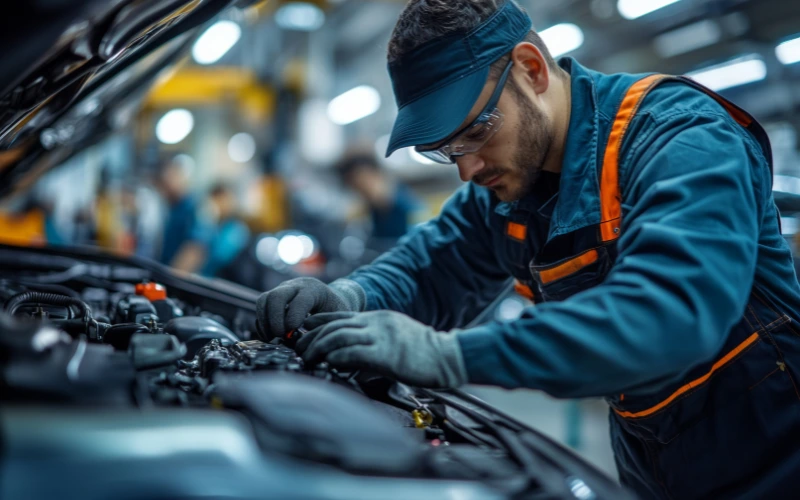
Some of the key tasks you’ll need to carry out as part of a hybrid car maintenance schedule include:
Oil changes
Unlike EVs, hybrid cars still have an internal combustion engine that requires oil to lubricate the many moving parts and prevent friction and overheating. Always use the oil grade specified in your owner’s manual and choose high-quality engine oils designed to protect modern hybrid engines.
Tyre care
As with any other vehicle, you should check your tyres at regular intervals, inspecting tread wear and tyre pressure before any long drives. To maximise lifespan, tyres should be rotated every six months or 6000 miles/9656km, whichever comes first.
Brake maintenance
Brakes are extremely important in hybrid cars because, as well as serving as an essential safety feature, they form part of the mechanics that generate electricity from fuel. Brakes should be inspected at least once a year, or after a certain number of miles/km driven, as per your manufacturer’s instructions.
Fluid checks
Using the correct, manufacturer-approved fluids is essential to protect hybrid components and maintain warranty compliance. The details of this will be found in the vehicle manual, but it will typically be a type of fluid formulated specifically for hybrids and EVs. These need to be checked and topped up regularly as directed.
Coolant levels
Unlike EVs, hybrids still need coolant to prevent the combustion engine from overheating. With a hybrid car, it’s important to check coolant levels regularly, because the electric battery can generate additional heat. If you notice a drop in engine coolant, then you may leak, so be sure to schedule your car for a repair.
How to maintain the battery in your hybrid car
Preserving the battery is an essential part of hybrid car maintenance when it comes to extending the lifespan of your vehicle. With proper care, many hybrid batteries can last 8–10 years, 100,000 miles or 160934 km.
To extend battery life:
- Avoid letting the battery fully discharge
- Try to keep charge levels between 20% and 80%
- Drive the vehicle regularly
- Avoid prolonged exposure to extreme heat or cold
- Park in shaded or sheltered areas when possible
Good battery care not only improves reliability but also helps protect your vehicle’s resale value.
Tips to maximise fuel efficiency
Maximising fuel efficiency is a good way to save money while supporting your hybrid car maintenance schedule. It allows you to reap the maximum rewards from an already eco-friendly vehicle.
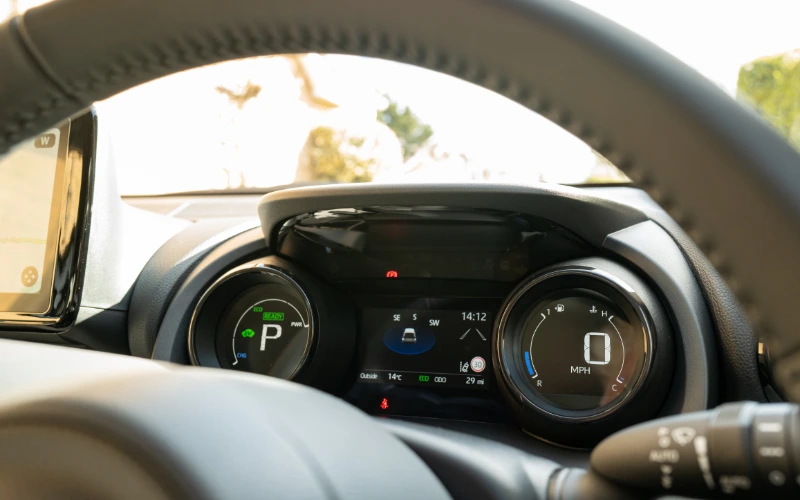
Your driving habits have a direct impact on fuel efficiency. To get the most out of your fuel:
- Accelerate and brake smoothly
- Maintain steady speeds when driving
- Reduce unnecessary idling
- Use eco or efficiency driving modes where available
- Keep air filters and spark plugs in good condition
Regular servicing with high-quality lubricants and fluids also plays a key role in reducing friction and improving overall efficiency.
Choose the right hybrid servicing specialist
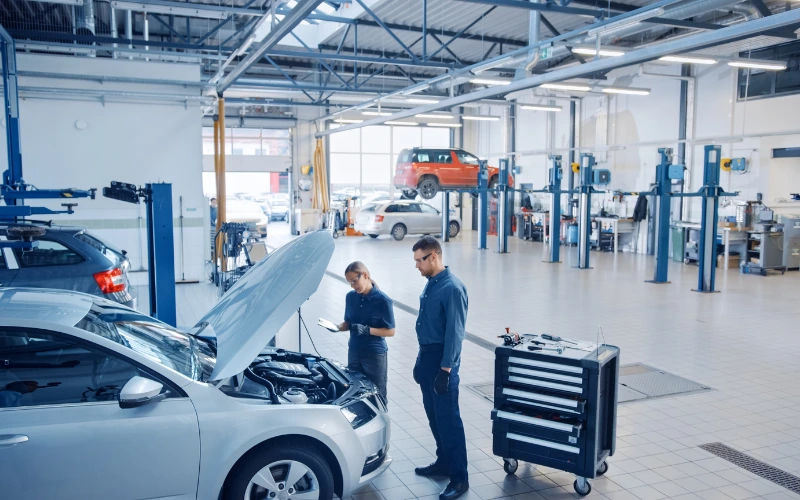
One of the best things you can do to maintain your hybrid vehicle is to have it serviced regularly by an experienced mechanic. You’ll need to find one with expertise in dealing with hybrid or electric vehicles, so do some research by checking their reviews and mechanic qualifications.
While it’s tempting to miss a service when you need to save money, sticking to the schedule recommended by your manufacturer is likely to save you more in the long run, preventing costly breakdowns and unexpected repairs.
Keep your hybrid performing at its best
Hopefully, this guide has given you a good idea of what a typical hybrid car maintenance schedule looks like and the ways in which it can help you improve the performance and sustainability of your vehicle. By staying proactive, you can reduce running costs, improve efficiency and lower your environmental impact.
Explore our range of high-quality e-fluids to keep your hybrid performing at its best