


Lubricants may be easy to overlook, but the wrong one can quickly lead to costly damage. Whether it’s degraded, contaminated, or poorly matched to the vehicle, improper lubrication puts engines and equipment at risk. Staying vigilant helps extend vehicle life and prevent unnecessary repairs.
In this guide, we will discuss common mistakes fleet managers make when it comes to lubrication and how to avoid them. These include:
- Choosing lubricants based on price
- Ignoring viscosity recommendations
- Not training technicians on proper lubricant handling
- Failing to use condition monitoring & testing
- Overlooking speciality lubricants for specific fleet needs
Let’s get started.
Mistake #1: Choosing lubricants based on price alone
Low-cost oil is often synonymous with low quality. Using low-quality lubricants, although cheaper upfront, can lead to frequent drain intervals, accelerated wear and unplanned downtime. Not only that, but it can also cause severe engine damage and increased maintenance costs, which far outweigh the initial cost of cheap oil.
The high cost of ‘cheap’ oil
Using cheap lubricants that don’t meet vehicle specifications can cost more in repairs and maintenance in the long run, as the following damage can occur:
Accelerated wear
Lubricants that don’t meet performance demands can fail to maintain a consistent protective barrier, allowing friction to increase and critical engine parts to wear faster than intended.
Engine overheating
When oil cannot effectively reduce friction and manage heat, temperatures rise quickly, breaking down the lubricant and increasing the risk of severe engine failure.
Sludge and deposit build up
Poor-quality oils lose their ability to control contaminants over time, leading to sludge and deposits that block oil pathways, reduce efficiency, and threaten engine longevity.
Opt for high-quality lubricants, enhanced with additives and designed to offer ultimate protection for your fleet. By pairing the right lubricant with your vehicles and equipment, rather than the cheapest, you can ensure it is correctly lubricated and protected for longevity.
Mistake #2: Ignoring manufacturer viscosity recommendations
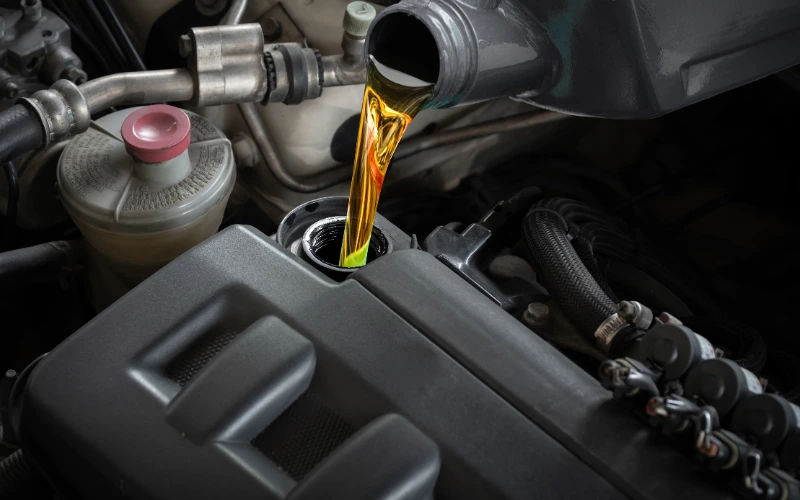
Engine oil forms a protective film between moving parts and is essential for proper lubrication, reduced friction and overall engine health. It must be the right viscosity to provide adequate protection for critical components and provide a smooth start-up.
If your oil viscosity is too low, it can’t provide adequate protection at high temperatures, which can accelerate wear, cause sludge and increase your oil consumption.
Meanwhile, too high a viscosity doesn’t flow well in cold conditions, increases engine drag, decreases fuel efficiency and causes strain on the engine.
Why viscosity matters more than you think
The right viscosity for your vehicles and equipment will depend on the manufacturer’s guidelines and the operating temperatures, and it’s vital that you follow these. Choosing the wrong oil viscosity can void your manufacturer’s warranty, cause premature wear if it’s too thick, and result in poor fuel economy or even engine failure if it’s too thin.
| Wrong Viscosity | Right Viscosity |
|---|---|
| Increases friction and accelerates engine wear | Maintains a protective oil film to reduce wear |
| Reduces fuel efficiency | Supports optimal fuel economy |
| Delays protection during cold starts | Delivers fast lubrication at start-up |
| Traps heat and speeds oil breakdown | Helps control engine temperature |
| Raises oil consumption and failure risk | Improves reliability and service life |
Mistake #3: Not training technicians on lubricant handling
Poor lubricant handling can lead to lubricant contamination, incorrect topping up and mixing different lubricant grades. This can impact operational costs, vehicle and equipment longevity, safety, waste and compliance, so proper handling is crucial.
Proper storage, handling, and disposal practices
If lubricants are not stored, handled and disposed of properly, you are putting technicians and the environment at risk. That’s why it is critical to properly train technicians on correct practices if they are dealing with lubricant management for your fleet.
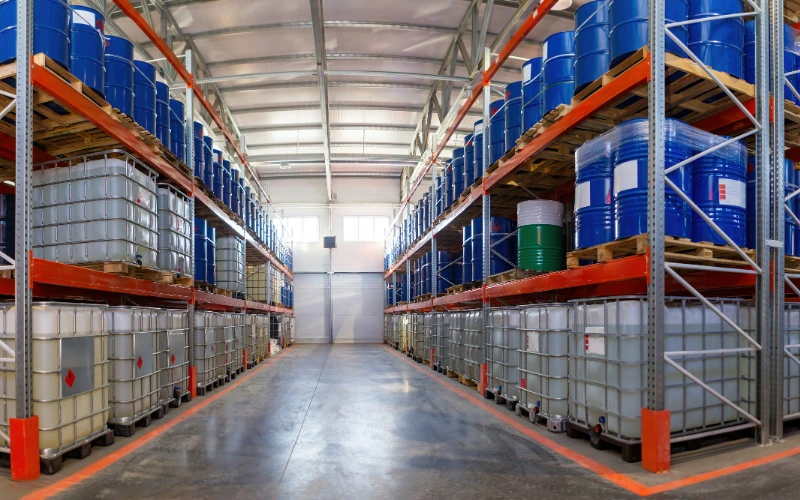
- Follow the correct storage advice Ideally, lubricants should be protected from the elements either indoors or under an outdoor shelter. They should be clearly labelled and stored in an upright position on storage racks for easy access.
- Ensure technicians are handling lubricants safely PPE, like gloves and goggles, and proper handling tools are essential for worker safety when handling lubricants. Additionally, you should use high-efficiency filters to transfer lubricants along with spill trays to collect any spillage, making cleanups easier.
- Use proper lubricant disposal techniques Fleet managers should liaise with a licensed waste carrier to collect and recycle old lubricants properly. It is hazardous and illegal to pour waste oil down drains and on the ground, and you need to adhere to strict environmental regulations.
Discover more about proper lubricant storage and handling techniques now.
Mistake #4: Failing to use condition monitoring & testing
When you rely on guesswork rather than data, you leave room for error. Whether it’s ignoring lubrication change intervals or failing to recognise lubrication degradation, by not using condition monitoring and testing, you are compromising safety and potentially missing out on crucial lubricant changes.
Don’t guess - Test your oil
Oil sampling and analysis involve taking a small sample of the lubricant for testing to determine its condition. There are many benefits of this, including:
- Identify early signs of oil degradation and wear
- Predictive maintenance helps identify small issues before they become big failures
- Regularly testing your oil could allow you to extend drain intervals
- It reduces costly breakdowns and overall operating costs
- Minimising equipment downtime and extending equipment life
Condition monitoring acts like a health check for your vehicles and equipment, so you can optimise maintenance schedules and identify issues early on. By partnering with a lubrication specialist, like Gulf CARE, you can implement a data-backed maintenance schedule, reducing downtime and costly repairs in the long run.

Mistake #5: Overlooking speciality lubricants for specific fleet needs
When it comes to lubricating machinery and equipment, one size does not fit all. This means you can’t use the same lubricant across different components, and the same lubricants won’t always be suitable for different vehicles and equipment.
Each lubricant plays an important role in ensuring your fleet runs smoothly, and it’s essential that you use the right lubricants for the right components.
| Lubricant Type | Component/System | Primary Function |
|---|---|---|
| Engine oil (mineral/semi-synthetic/fully synthetic) | Engine | Lubricates moving parts, reduces friction, controls temperature, and cleans deposits |
| Transmission fluid/gear oil | Transmission (manual & automatic) | Lubricates gears, enables smooth shifting, and dissipates heat |
| Gear oil (EP – extreme pressure) | Differentials & axles | Protects heavily loaded gears, reduces wear under high torque |
| Hydraulic oil | Hydraulic systems (e.g. tippers, cranes, loaders) | Transfers power, lubricates components, protects against wear |
| Power steering fluid | Power steering systems | Provides hydraulic assistance, reduces wear and noise |
| Brake fluid | Braking systems | Transfers braking force, resists heat and moisture |
| Coolant/antifreeze | Cooling system | Regulates engine temperature, prevents corrosion and freezing |
| Grease (multi-purpose, lithium, EP) | Greasing points (chassis, bearings, joints) | Reduces friction, protects against water and dirt ingress |
| Compressor oil | Air compressors (e.g. in HGVs) | Lubricates and cools compressor components |
You should follow your manufacturer’s recommended lubricant change intervals, which are typically determined by operating hours or miles, operating conditions, or the results of fluid testing, to perform regular lubricant changes or top-ups. This will vary depending on your vehicle, equipment or the component.
The power of the right lubricant strategy
Cutting corners by using old lubricants that may not be the right viscosity is a cheaper option than investing in a proper lubrication strategy, but it can end up costing more long-term.
Through oil testing, using the right lubricants, proper lubrication handling, following manufacturer recommendations and choosing quality over price, you can reduce equipment downtime, unplanned repairs and extend vehicle life. With preventive maintenance and a proactive lubricant strategy, you can ensure your fleet is effectively lubricated for optimal performance.
Learn how to optimise your fleet’s performance now.
Rafe Britton is the founder of Lubrication Expert and a Certified Lubrication Specialist with a Bachelor’s in Aerospace Engineering. With over 15 years of experience in the mining, power generation and trucking industries, Rafe is an independent lubrication specialist helping businesses across the globe extend oil life, improve equipment reliability and optimise maintenance budgets.