


3 warning signs your hydraulic fluid needs replacing
08 Jan 2026
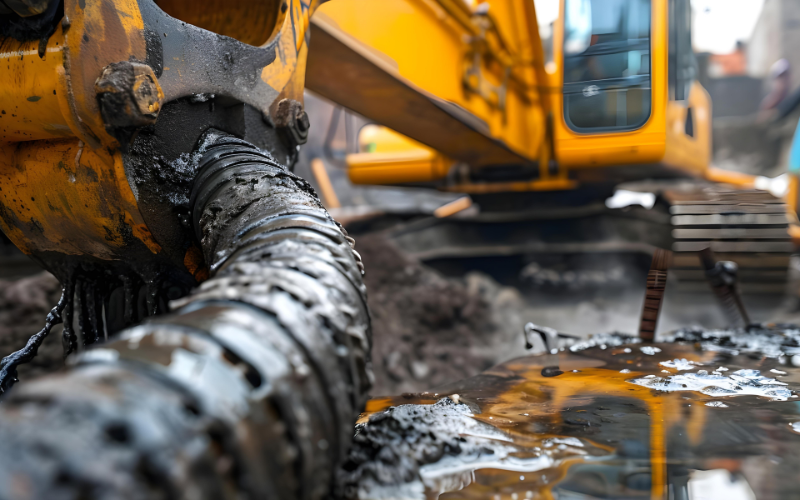
Your mining or construction machinery may appear to be running smoothly, but it could be breaking down without you realising. Hydraulic systems power mining and construction equipment by using fluids to create motion and force. However, over time, hydraulic fluid can degrade and deteriorate, leading to poor performance and significant problems that can be costly to resolve.
Early detection is key to preventing downtime and expensive repairs, so this blog highlights the most common signs of fluid deterioration and how proactive monitoring can prevent component damage. We’ll also show how Gulf Care’s fluid testing service helps detect issues early and guide timely fluid changes.
Warning sign 1: Reduced filterability
An accumulation of contaminants can overwhelm the filter’s ability to capture them effectively. So, when hydraulic fluid breaks down or becomes contaminated, it can clog your filters with dirt, wear particles and water.
Causes of reduced filterability
Hydraulic fluid naturally degrades over time because components within the system wear, leading to metal particles suspended in the fluid. However, there are a number of reasons why hydraulic fluid degrades and reduces filterability:
-
Damaged seals can allow external contaminants to enter the system as they are not robust enough to keep them out.
-
Improper handling of fluids can also introduce impurities before the fluid is even added to the system.
-
Water can degrade the quality of the fluid and cause wear and corrosion of parts, which can also lead to clogging.
Contaminated particles cling together to form a sludge, which is too thick to pass through the filters.
Consequences of reduced filterability
Clean, well-filtered fluid is essential for hydraulic performance and longevity. When filters become clogged and fluid flow is restricted, you may experience:
-
Reduced system pressure, caused by restricted flow or blocked valves.
-
Sluggish performance, as overheating and resistance increase.
-
Accelerated component wear, from abrasive particles circulating in the system.
Choosing high-quality hydraulic fluids formulated with advanced additives helps maintain fluid cleanliness and system stability for longer.

Warning sign 2: Oxidation or discolouration
Dark, cloudy or burnt-smelling fluid can all be signs of oxidation or discoloured fluid. A cloudy appearance may indicate water contamination, while black suggests severe contamination, and a brown colour may suggest oxidation.
Causes of oxidation
Exposure to heat and oxygen can break down protective additives within the hydraulic fluid, leading to oxidation. If air is present in the system, it provides the components needed for oxidation to occur. It can also be caused by:
-
High temperatures can increase the energy within the fluid and make oxygen atoms more reactive, accelerating oxidation
-
Small amounts of water contamination can increase acidity and accelerate oxidation
-
Solid contaminants like wear particles, debris and residue can become surfaces for oxidation products to cling to and lead to sludge
Increased system pressure may lead to more air and oxygen being present in the system, so oxidation occurs faster
Risks of oxidation
Acid formation is caused by a reaction between hydraulic fluid and oxygen, which breaks down the fluid’s base molecules and produces acidic compounds. These can accelerate wear and damage the compounds of the internal hydraulic system, causing blockages and system failures.
Meanwhile, when varnish deposits settle on the metal surfaces of the internal hydraulic system, it can trap abrasive particles, act as a thermal insulator and prevent oil flow, further accelerating oxidation.
With routine hydraulic system maintenance, you can assess the colour and odour of the fluid for any early signs of oxidation or discolouration. Additionally, Gulf Care provides fluid analysis by taking a sample for hydraulic fluid contamination testing in a lab for early signs of oxidation, before they become visible.
Warning sign 3: Foaming or strange system noise
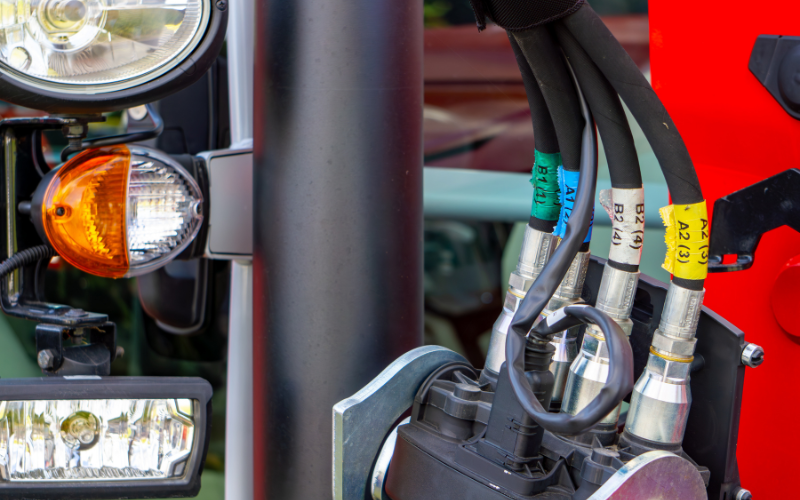
If you’ve noticed some strange sounds and component behaviour, like erratic actuator movement or whining noises, it is often a sign of air contamination in the system. Meanwhile, whining noises are often caused by the formation and collapse of air bubbles due to low pressure. These imploding vapour bubbles can damage the system through jerky movements and inconsistent performance.
Causes of foaming
Foaming is caused by air entrainment through leaks in the system, contamination and low fluid levels. It can impact the fluid’s ability to transmit power effectively and complicate how your hydraulic system operates. Leading causes of hydraulic fluid foaming include:
-
Air entrainment occurs when air becomes trapped in the fluid, which is usually through leaks in hoses, seals and fittings
-
Fluid contamination from water or wear particles can change the properties of the hydraulic fluid and make foaming more likely to occur
-
High operating temperatures lower the fluid’s viscosity, allowing more air to mix and increasing the likelihood of foaming.
Impact of foaming and strange system noises
Foaming can lead to increased wear and tear because the hydraulic fluid can no longer protect the system effectively. It can cause reduced efficiency, overheating, and cavitation, compromising lubrication and leading to component failure. You may also experience:
-
Loss of lubrication happens when the fluid is foaming because it cannot flow properly, increasing friction, wear and maintenance
-
Reduced efficiency occurs when air bubbles make the fluid more compressible, causing erratic pressure and jerky movements.
-
Cavitation damage can happen when air bubbles become vapour bubbles and then collapse, leading to pitting and erosion of components
High-performance hydraulic fluid is specifically formulated to resist foaming and air entrainment, and when maintained properly, you can prevent foaming and strange system noises from occurring in the first place.
The importance of regular hydraulic fluid testing
If your hydraulic fluid needs replacing, you might not get any warning signs until it’s already too late. So, rather than waiting for visible or audible symptoms to reveal themselves, which cause costly unplanned downtime, you can detect issues early before they develop into bigger problems.
Preventative maintenance and fluid analysis can reveal contamination, oxidation and additive depletion long before visible or audible symptoms reveal themselves. This can be the difference between replacing multiple damaged components and simply replacing your hydraulic fluid, minimising downtime and the need for expensive repairs.
By partnering with a lubrication specialist like Gulf Care, we can propose a regular maintenance schedule and help you select the right high-performance hydraulic fluid for your system. Regular fluid sampling and hydraulic fluid testing can provide detailed reports on fluid condition, including contamination, viscosity and oxidation levels to detect problems early. We can also provide expert recommendations for corrective actions to prevent any significant damage.
Identify issues with hydraulic fluid early, before they cost you downtime
Undetected or left untreated, degrading hydraulic fluid can lead to several issues, including complete system failure. So, it’s important to familiarise yourself with the major warning signs, including reduced filterability, oxidation or discolouration and foaming with strange system noises. By identifying these warning signs early, and regularly replacing and maintaining hydraulic fluid, you can proactively save time, money and reduce unplanned downtime.
Protect your hydraulic system and your bottom line. Explore our industrial lubricants now.